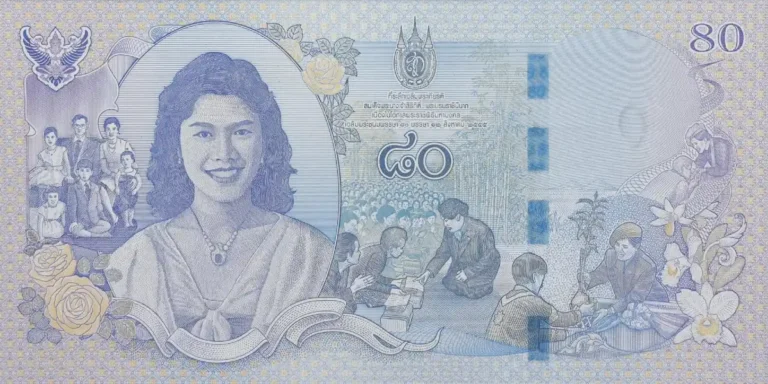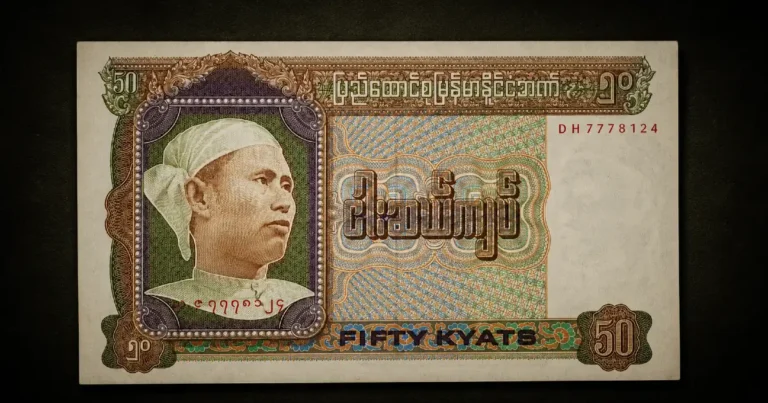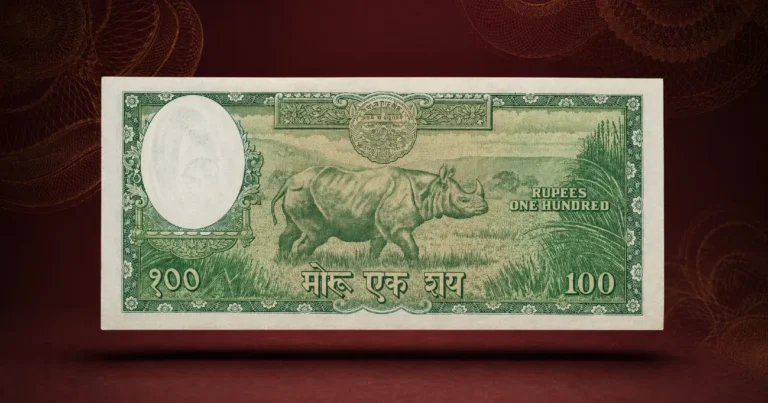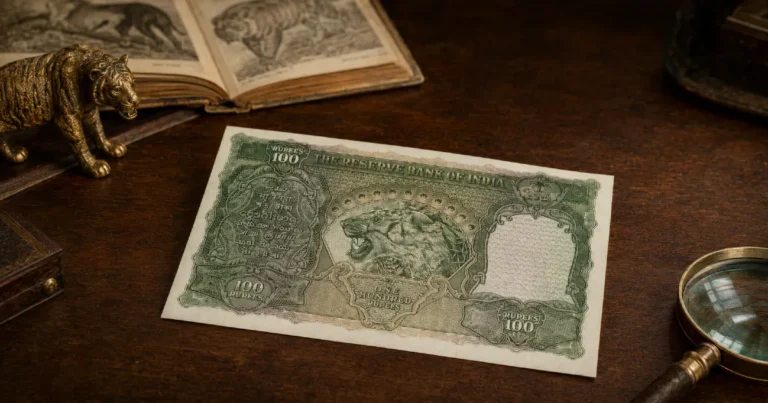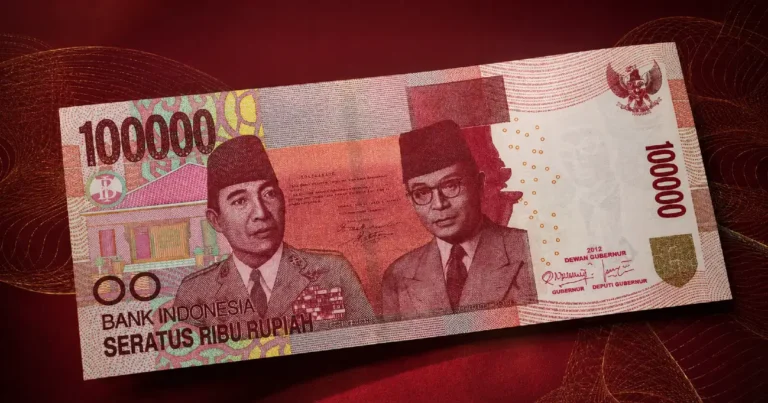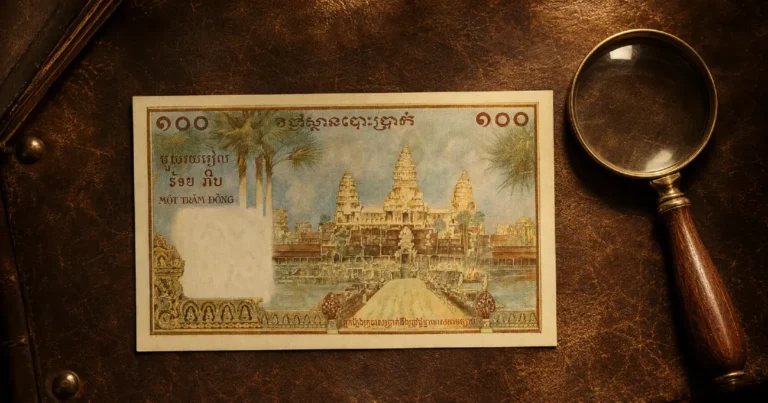
Women on banknotes represent one of the most socially significant and historically rewarding collecting avenues in modern topical numismatics, transforming paper currency far beyond its function as circulating legal tender into a permanent record of a nation’s values and achievements. From Asian female national heroes who led independence movements to famous women on currency who shaped literature, education, and social reform, the portraits chosen for a nation’s legal tender reveal which individuals a society deems worthy of its highest public honor.
Across Asia, various central banks have moved beyond traditional institutional layouts to celebrate pioneering women who have left an indelible mark on fields such as political resistance, cultural advancement, and social justice. Whether honoring an anti-colonial revolutionary, a Joseon-era court painter, or a founding mother of a modern republic, these portraits elevate women on banknotes into some of the most purposeful and intellectually rewarding banknote collecting themes available to the modern specialist.
For variety specialists and topical collectors, a banknote featuring a female national hero is simultaneously an extraordinary historical document and a masterclass in security print engineering. The study of women on banknotes extends beyond portrait identification — master engravers use specialized fine-line intaglio techniques to capture nuanced expressions, traditional dress, and period-accurate accessories. This comprehensive guide offers an authoritative roadmap to the premier banknotes honoring non-monarchical Asian women, examining their historical legacies, cultural symbolism, and technical numismatic classifications across the continent.
Table of Contents
The Iconographic Philosophy of Women on Banknotes
To appreciate the collecting discipline of women on banknotes, one must understand the unique communicative role these icons play on paper wealth. Central banks systematically select female leaders and trailblazers to project state values of equality, resilience, and intellectual achievement. Unlike abstract allegorical figures common in early Western currency, modern Asian banknotes feature real historical individuals whose documented struggles and triumphs shaped the modern republics we see today.
For collectors interested in the structural frameworks of these specialized layouts, exploring our comprehensive Banknote Collecting Themes: Ultimate Guide & Ideas provides a macro-level overview of how these topics integrate into broader numismatic disciplines. Within the “Women on Banknotes” theme, specialists generally structure their type sets into three primary focus variants:
- Political Reformers & Democratic Leaders: Women who navigated turbulent political transitions, commanded state administrations, or spearheaded democratic revivals.
- Anti-Colonial Resistance Heroes: Guerilla fighters and wartime patriots who mobilized local communities and fought against foreign occupation.
- Cultural & Educational Pioneers: Literary icons, social workers, and educators who transformed the intellectual and social fabric of their societies.
Political Reformers & Democratic Leaders
Modern Asian political history has produced some of the most significant women on banknotes — leaders who rose to executive power during times of intense national transition, leaving a lasting impact on their countries’ economic and social landscapes.
Bangladesh: Sheikh Hasina Wazed and Economic Transformation
In the delta nation of Bangladesh, the political narrative of the late 20th and early 21st centuries is deeply tied to the leadership of Sheikh Hasina Wazed. The daughter of the nation’s founding father, Sheikh Mujibur Rahman, she served multiple terms as Prime Minister, presiding over eras of significant macroeconomic growth, poverty alleviation, and infrastructure modernization. Her administrative tenures focused heavily on technological advancement and the institutional empowerment of women throughout Bengali society.
- Commemorative & Circulating Issues: Sheikh Hasina’s legacy has been systematically recorded across several high-profile commemorative bank notes issued by Bangladesh Bank. Key numismatic targets include the reverse plate of the 70 Taka commemorative note issued in 2018 to mark the country’s development milestone (Banknote Book B359, Pick 65). Furthermore, her portrait anchors the obverse faces of the 2022 100 Taka commemorative note (Banknote Book BNP307, Pick 70), the 2022 50 Taka issue (Banknote Book B364, Pick 72), and the 2023 50 Taka commemorative note celebrating regional infrastructure achievements (Banknote Book B365, Pick 73). Specialists inspect the fine-line offset security backgrounds surrounding her portrait for plate cleanliness and ink-flow anomalies.
Philippines: Corazon Aquino and the Restoration of Democracy
Corazon Aquino stands among the most famous women on currency in Southeast Asia — the 11th President of the Philippines and a globally revered icon of democratic governance. Stepping into the political arena following the tragic assassination of her husband, opposition leader Benigno Aquino Jr., she became the face of peaceful resistance against the authoritarian regime of Ferdinand Marcos. Her leadership during the historic 1986 People Power Revolution successfully overthrew the dictatorship, restoring democratic institutions, civil liberties, and constitutional governance to the archipelago.
- Numismatic Cataloging & Varietals: Corazon Aquino is masterfully depicted on the obverse face of the Philippine 500-Piso (Peso) banknote. In early issues following her passing, her portrait was placed alongside her husband’s, creating a powerful co-joined intaglio portrait zone. Collectors tracking the New Generation Currency (NGC) series evaluate specific Banknote Book classifications (including B1082, B1088, B1093, B1100, and B1104, mapping to Pick 210). Variety specialists study the crisp, raised lines of her signature yellow dress motifs and the alignment of the optical variable ink (OVI) security seals which shift color under motion to frustrate digital counterfeiters.
Philippines: Gloria Macapagal Arroyo and Economic Pragmatism
Gloria Macapagal Arroyo served as the 14th President of the Philippines and is globally recognized for her aggressive economic reforms and major infrastructure developments. Armed with deep macroeconomic expertise, her administration navigated the country through turbulent global financial crises, maintaining steady GDP growth through contentious fiscal discipline, foreign investment promotion, and tax structural overhauls.
- Reverse Plate Inclusion: Unlike traditional portraits anchoring the obverse, Arroyo’s political legacy is recorded on the reverse plates of various Philippine 200 Piso (Peso) banknotes. This design configuration can be tracked across Banknote Book classifications B1047, B1059, and B1065 (Pick 195, 203, and 214). Variety specialists closely inspect the edge-lines of the reverse scenes to verify plate alignment and intaglio depth.
Anti-Colonial Resistance Heroes
The fight against colonial occupation produced fierce female guerrilla tacticians whose portraits make women on banknotes from this era among the most historically charged issues in Asian numismatics whose bravery and leadership are immortalized on modern currency.
Indonesia: Cut Nyak Dhien and the Aceh Guerrilla Warfare
Cut Nyak Dhien (historically recorded as Tjoet Nja’ Dhien) stands as one of the defining Asian female national heroes on paper currency — an enduring symbol of unyielding patriotism and military resolve in Indonesian history. Born into an aristocratic family in Aceh in 1848, she became deeply involved in the resistance against Dutch colonial forces following the death of her first husband in the Aceh War. Remarrying fellow resistance leader Teuku Umar, she co-commanded a highly effective guerrilla campaign. Following Umar’s death in battle, Dhien continued to lead her forces through rugged jungle terrain for years despite her declining health and advanced age, directly challenging Dutch military control.
- Numismatic Specifications: Cut Nyak Dhien was honored by Bank Indonesia on the obverse face of the iconic 10,000 Rupiah banknote introduced in 1998 (Banknote Book B593, Pick 137). This note is highly sought after by variety collectors for its rich, deep purple hues and the masterfully engraved intaglio portrait showcasing Dhien with her traditional Acehnese hair updo. The fine, fine-line cross-hatching on her attire and the complex geometric Batik fabric safety tints running under the main print block require a high-quality loupe to fully appreciate plate preservation state.
Indonesia: Tjut Meutiah and the Patriotic Mobilization
Another extraordinary heroine of the Aceh resistance featured on Indonesian currency is Tjut Meutiah. Born in 1870, she assumed command of guerrilla forces after her husband was executed by colonial authorities. Known for her sharp tactical prowess and deep connection with local communities, she organized rapid hit-and-run maneuvers against Dutch defensive outposts, cementing her legacy as a symbol of patriotism and ultimate sacrifice.
- Modern Regular Series: Tjut Meutiah is featured prominently on the obverse of the 1,000 Rupiah banknote introduced in the 2016 regular currency family (Banknote Book B609, Pick 154). Her portrait was also used for the high-profile 2022 multi-denomination refresh and the specialized note commemorating the 77th anniversary of Indonesian independence (Banknote Book B617, Pick 162). Variety specialists hunt for these notes in crisp, uncirculated (UNC) grade, analyzing the micro-text security bands woven into the portrait’s borders.
Cultural & Educational Pioneers
Many of the most intellectually rewarding women on banknotes honor figures who revolutionized their countries through intellectual, literary, and social developments, utilizing currency to celebrate academic excellence and social progression.
Japan: Ichiyo Higuchi and Meiji Literary Realism
The Bank of Japan shocked the numismatic world by elevating one of the most famous women on currency — a non-political, non-royal literary pioneer to anchor one of its highest circulating denominations: the pioneering writer Ichiyo Higuchi. Born in 1872 during the rapid modernization of the Meiji era, Higuchi lived a short, impoverished life but left an indelible mark on Japanese literature. Her highly sensitive short stories, including Takekurabe (“Growing Up”) and Nigorie (“Troubled Waters”), provided a poignant, critical look at the harsh social constraints, economic hardships, and structural inequalities faced by women and the lower classes of Tokyo.
- Technical Print Engineering: Ichiyo Higuchi is featured on the obverse face of the 5,000 Yen note first issued in 2004 (Banknote Book B366, Pick 105). This note is widely admired by technical variety specialists for its incredible anti-counterfeiting architecture. Her portrait is executed in ultra-fine, raised intaglio lines that contrast beautifully against a pale purple background. The note integrates an advanced holographic patch on the lower left and specialized background geometry that causes Moire distortion when fed into digital scanning software, making it a spectacular area of technical study.
Indonesia: Raden Ajeng Kartini and Women’s Emancipation
Raden Ajeng Kartini is among the most enduring Asian female national heroes on currency — a foundational pioneer of Indonesian women’s rights of Indonesian women’s rights and educational reform. Her collected private letters, published posthumously under the title “Habis Gelap Terbitlah Terang” (“Out of Darkness Comes Light”), fiercely criticized the forced confinement, lack of educational access, and traditional constraints imposed upon Javanese women, single-handedly fueling the early independence-era emancipation movements.
- Multi-Era Type Set Sourcing: Kartini’s immense national footprint is immortalized across two distinct numismatic eras. She was first honored on the obverse of the 5 Rupiah banknote in 1953 (Banknote Book B501, Pick 42), and later celebrated on the high-profile 10,000 Rupiah banknote introduced in 1985 (Banknote Book B584, Pick 126). Variety specialists highly target the 1985 issue for its intricate, fine-line security line-work framing her profile.
Philippines: Josefa Llanes Escoda and Civic Duty
Josefa Llanes Escoda joins a distinguished roster of Asian female national heroes on Philippine currency — a legendary social worker, educator, and the iconic founder of the Girl Scouts of the Philippines. During the brutal Japanese occupation of World War II, Escoda acted as a relentless resistance operative, smuggling vital medical supplies, food, and communication logs to Filipino and American prisoners of war before being captured and executed for her heroic underground work.
- Flagship Denomination Tracking: Escoda’s portrait anchors the obverse face of the flagship Philippine 1,000 Piso (Peso) banknote across numerous high-grade print variations. Variety specialists track her inclusion through Banknote Book listings B1033, B1050, B1051, B1061, B1083, B1089, B1094, and B1101 (Pick 174, 186, 197, 205, and 211).
Singapore: The Bicentennial Trio of Social Reformers
To celebrate the 200th anniversary of its modern founding, the Monetary Authority of Singapore issued a groundbreaking commemorative 20-dollar note that honored the diverse civic contributions of non-royal women to the nation’s early development.
- Alice Pennefather (Sporting Icon): Born in 1903, she was a pioneering multi-sport champion who dominated national tennis, badminton, and field hockey circuits at a time when female participation in athletics faced severe structural barriers, paving the way for future generations of women athletes.
- Ruth Wong Hie King (Educational Visionary): Born in 1918, she became the first female principal of a secondary school in Singapore and a revolutionary force in pedagogical research. Her innovative teaching frameworks, curriculum developments, and teacher-training structural overhauls laid the foundation for Singapore’s modern, world-class education system.
- Teresa Hsu Chih (Humanitarian Philanthropist): Born in 1898, she dedicated her long life to localized social welfare and grassroots care for the destitute. As the founder of the Heart to Heart Service, she operated vital, selfless networks providing food, medical aid, and dignity to the elderly and vulnerable.
- Numismatic Registry: All three pioneering women are masterfully grouped on the reverse face of the Singapore 20-dollar Bicentennial commemorative note issued in 2019 (Banknote Book B219). Printed on a sleek, high-grade polymer substrate, the layout incorporates clear, transparent windows and specialized metallic reflective foils that shimmer under direct light, making it a vital acquisition for modern polymer variety specialists.
South Korea: Shin Saim-dang and Joseon Cultural Heritage
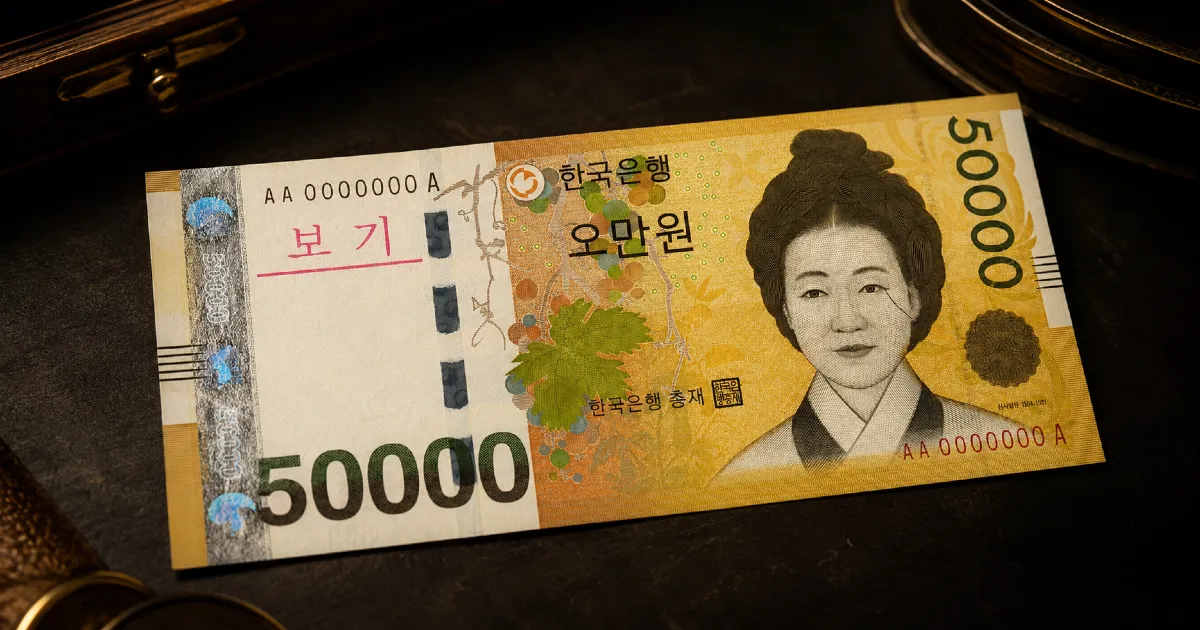
Among the most celebrated famous women on currency in East Asia, Shin Saim-dang anchors South Korea’s highest circulating denomination, featuring Shin Saim-dang. Born in 1504 during the Joseon Dynasty, she achieved legendary status as an accomplished artist, poet, and calligrapher. Famed for her intricate, hyper-realistic paintings of insects, plants, and natural landscapes, she is also deeply revered in Korean culture as the mother of the premier Confucian scholar Yi I (Yulgok). Her presence on currency symbolizes the enduring value of artistic heritage and intellectual leadership.
- High-Value Variety Analysis: Shin Saim-dang anchors the obverse face of the flagship 50,000 Won banknote introduced in 2009 (Banknote Book B253, Pick 57). This high-value note is highly targeted by collectors specializing in fancy serial numbers (such as radars, repeaters, or solid blocks). The portrait is accompanied by background reproductions of her actual 16th-century floral paintings, executed in ultra-precise offset screens that require perfect registration to maintain their artistic integrity.
Verifying Female Intaglio Portraits Under Magnification
When viewing a female portrait banknote under a 10x or 20x numismatic loupe, the biological features dissolve into a highly organized matrix of security lines and microprints designed to defeat modern counterfeiters. Master engravers use completely different hand-carving strategies depending on the era and subject:
1. Traditional Fabric Textures and Traditional Updos
For historical resistance figures like Indonesia’s Cut Nyak Dhien or Tjut Meutiah, engravers face the technical challenge of rendering complex traditional textiles, lace, and elaborate hairstyles.
- The dense hair structures are cut deeply into the master steel plates, holding a heavy volume of ink that produces distinct tactile ridges on the paper surface.
- The clothing patterns are executed using dual-tone geometric cross-hatching, where lines cross at exact mathematical angles to create shadows without causing ink bleed during high-speed printing runs.
2. Smooth Facial Transitions and Soft Vignetting
Unlike the rugged, high-contrast facial lines used to depict older military figures or bearded revolutionaries, rendering portraits of women like Japan’s Ichiyo Higuchi requires incredibly delicate, low-contrast vignetting.
- Engravers utilize micro-stippling (thousands of microscopic ink dots) mixed with ultra-thin parallel lines to smoothly simulate facial shading, cheek contours, and soft light transitions.
- Variety specialists inspect these delicate facial zones under a lens to monitor plate wear; as a printing plate erodes over time, these micro-dots are the first elements to fade, causing late-run notes to look flat or losing their lifelike depth compared to early, crisp printings.
Summary Directory of Non-Royal Female Asian Banknotes
| Country / Issuer | Primary Subject | Significance | Catalog Reference |
|---|---|---|---|
| Bangladesh | Sheikh Hasina Wazed | Political Leader; Prime Minister driving democracy | Pick 73 / B365 |
| Indonesia | Cut Nyak Dhien | Resistance Hero; Acehnese guerrilla leader | Pick 137 / B593 |
| Indonesia | Raden Ajeng Kartini | Educational Pioneer; Aristocratic trailblazer | Pick 126 / B584 |
| Indonesia | Tjut Meutiah | Resistance Hero; Brave guerrilla commander | Pick 154 / B609 |
| Japan | Ichiyo Higuchi | Cultural Icon; Trailblazing Meiji era realist writer | Pick 105 / B366 |
| Philippines | Corazon Aquino | Political Reformer; 11th President | Pick 210 / B1104 |
| Philippines | Gloria Macapagal Arroyo | Political Leader; 14th President | Pick 214 / B1065 |
| Philippines | Josefa Llanes Escoda | Social Reformer; Girl Scouts founder | Pick 205 / B1101 |
| Singapore | Alice Pennefather | Cultural Icon; Elite multi-sport champion | Pick 63 / B219 |
| Singapore | Ruth Wong Hie King | Educational Pioneer; Social reformer | Pick 63 / B219 |
| Singapore | Teresa Hsu Chih | Social Worker; Legendary humanitarian | Pick 63 / B219 |
| South Korea | Shin Saim-dang | Cultural Icon; Joseon Dynasty poet | Pick 57 / B253 |
Women on Banknotes: A Living Archive of Asian Achievement
The summary directory above represents only the most prominent entries in a far broader and continually evolving field. Women on banknotes across Asia span every category of human achievement — from battlefield commanders and democratic presidents to literary pioneers and humanitarian philanthropists — collectively forming one of the most historically rich and thematically coherent collecting disciplines available to the modern numismatist. Each portrait is not merely a security vignette; it is a sovereign declaration of which figures a nation chooses to elevate above all others on its most widely circulated public document.
The Asian female national heroes documented in this guide represent a continent still actively expanding its numismatic record of female achievement. New issues continue to emerge across Bangladesh, Indonesia, and Southeast Asia, making this one of the few thematic collecting fields where the catalog grows meaningfully with each passing year. Whether you are assembling your first type set or refining a world-class reference collection, the women honored on Asian banknotes offer an endlessly rewarding intersection of history, artistry, and security print engineering.
To continue exploring thematic Asian numismatics, discover the full portrait traditions behind National Heroes on Banknotes: Iconic Asian Portraits — where political founders and independence leaders anchor the continent’s most significant circulating denominations. For collectors drawn equally to natural history, Animals on Banknotes: Guide to Asian Wildlife Currency maps the extraordinary biodiversity celebrated across the region’s paper wealth, from Bengal tigers to Komodo dragons.