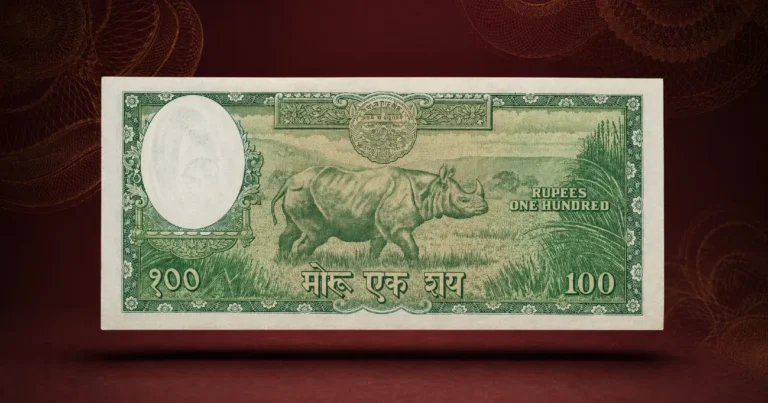

Animals on banknotes give countries a powerful medium to project national identity, geographical uniqueness, and ecological heritage. While many numismatic frameworks focus on historical milestones, political transformations, or revolutionary leadership, an equally significant tradition draws on the natural world. Wildlife banknotes are one of the most visually distinctive categories in modern topical numismatics, and animal-themed currency from Asia is among the most collected anywhere. For the dedicated specialist, a banknote featuring regional fauna is not merely a piece of circulating currency; it is a high-security canvas that preserves a nation’s conservation efforts, cultural folklore, and ecological pride.
Within the numismatic landscape of Asia, the sheer diversity of geographic zones—stretching from the alpine heights of the Himalayas and the dense tropical rainforests of Southeast Asia to the arid expanses of the Arabian Peninsula—has inspired monetary authorities to decorate their paper wealth with an extraordinary array of biological species. For variety specialists, tracking animals on banknotes across the continent offers a fascinating look at the evolution of security printing. Master engravers at premier institutions like Thomas De La Rue, the India Security Press, and the Japanese Bureau of Engraving have spent over a century developing specialized line-lath and intaglio techniques to capture the fine textures of fur, feathers, and scales on these wildlife banknotes.
Whether a collector chooses to specialize in a single iconic species across multiple borders or builds a broad geographic directory of the continent’s biodiversity, this comprehensive guide provides an authoritative roadmap to the premier animal-themed currency of Asia.
Table of Contents
Why Central Banks Put Animals on Banknotes
To appreciate the design layout of animals on banknotes, one must understand the unique communicative role that fauna plays on paper wealth. Central banks systematically select regional wildlife to serve as unifying national symbols. Unlike administrative or institutional imagery, biological species transcend linguistic, political, and regional boundaries within a country, providing an inclusive visual language that resonates with the entire populace.
Furthermore, the inclusion of wildlife highlights a nation’s commitment to environmental preservation and biodiversity awareness. Many notes function as circulating calls to action, showcasing endangered or endemic species that are native exclusively to that specific corner of the world. For collectors interested in the structural frameworks of these specialized collections, exploring our comprehensive Banknote Collecting Themes: Ultimate Guide & Ideas provides a macro-level overview of how these topics integrate into broader numismatic disciplines.
Numismatists approaching this theme generally divide their pursuits into two major methodologies:
- The Global/Regional Broad Collector: Focuses on assembling a sweeping geographic index that captures the widest possible variety of species across an entire continent or regional trade zone.
- The Topical Species Specialist: Narrowly targets a single, high-profile animal group—such as elephants, big cats, or birds—across every international boundary and historical era, tracking how different cultures and printing houses visually interpreted the same animal under a magnifying loupe.
South Asia: Tigers, Rhinos, and Riverine Wildlife
South Asia contains some of the world’s most ecologically diverse habitats, a reality reflected in the wildlife banknotes and animal-themed currency found across the region.
India: The Bengal Tiger on Indian Banknotes
The Reserve Bank of India (RBI) has long utilized the animal kingdom to anchor its visual safety architectures and national identity.
- The Bengal Tiger Vignettes: The Royal Bengal Tiger (Panthera tigris tigris) stands as the ultimate symbol of strength, agility, and national power on Indian paper wealth. Early classic issues, such as the 100 Rupees King George VI banknotes from the mid-20th century, feature a detailed intaglio Bengal tiger on the reverse.
- The Biodiversity Blends: On later issues, the RBI expanded its reverse compositions to celebrate complex ecological combinations. The 10-rupee Mahatma Gandhi series note features a multi-animal vignette displaying a rhinoceros, an elephant, and a tiger side-by-side.
Bangladesh: The Watermark Tiger and Riverine Fauna
In the delta nation of Bangladesh, the choice of banknotes imagery is intimately tied to the country’s rich water systems and dense mangrove forests. The central bank uses wildlife to reinforce the spirit of Bengali identity and nationalism.
- The Royal Bengal Tiger Watermark: A primary diagnostic feature across most standard-issue denominations of the Bangladeshi Taka is the Royal Bengal Tiger watermark. Stamped into the cotton-fiber substrate during paper manufacturing using a specialized cylinder mold, this multi-toned hidden portrait reveals a roaring tiger profile when held up to a direct light source.
- The Magpie-Robin Theme: Beyond the tiger, the Taka frequently celebrates the national bird of Bangladesh, the Oriental Magpie-Robin (Copsychus saularis), executed in fine-line offset printing.
Nepal: Wildlife on the Nepalese Rupee
For variety specialists, the banknotes issued by Nepal Rastra Bank offer an unusually dense concentration of wildlife subjects. Nepal’s currency operates as a literal catalog of the rich fauna found across the Terai plains and alpine regions, with almost every circulating denomination dedicated to a specific biological species.
- The Snow Leopard (50 Rupees): The 50-rupee note’s snow leopard design (Panthera uncia, Pick 79/B290) is a comparatively recent addition; earlier 50-rupee issues instead featured the Himalayan tahr.
- The One-Horned Rhinoceros (100 Rupees): The 100-rupee note has carried the one-horned rhinoceros (Rhinoceros unicornis) across multiple series, typically shown in a grassy plain, the latter depicting an adult with calf.
- The Bengal Tiger (500 Rupees): The 500-rupee note has long featured two Bengal tigers drinking from melted mountain snow, a design retained across multiple series, with a single walking tiger appearing on the most recent issue.
- The Elephant (1000 Rupees): The 1000-rupee note has depicted an elephant across nearly every series since Pick 28/B222, with a two-elephant design introduced on the most recent issue.
Nepal’s currency catalogs additional species across its full denomination range — including black buck, musk deer, swamp deer, Himalayan tahr, danphe pheasant, and yak — covered in detail in our dedicated guide to Animals on Nepal Banknotes.
Sri Lanka: Avian Numismatics and Endemic Species
The Central Bank of Sri Lanka is world-renowned for producing some of the most artistically sophisticated and colorful wildlife banknotes in existence. Their modern series is a masterclass in topical avian numismatics, focusing almost exclusively on the island’s unique endemic birds.
- The Endemic Bird Series: Each denomination in Sri Lanka’s contemporary series pairs a native bird with a local butterfly. Collectors highly target notes featuring the Sri Lanka Hanging Parrot (Loriculus beryllinus), the Emerald Dove (Chalcophaps indica), the Sri Lanka Grey Hornbill (Ocyceros gingalensis), and the colorful Black-capped Bulbul.
- Print Precision: These notes are widely admired for the flawless execution of feather stippling and micro-text bands that run along the borders. The multi-colored offset screens require precise printing press registration to prevent color bleeding, making them a productive area of study for variety specialists.
The Maldives: Marine Ecosystems of the Indian Ocean
Situated south of the subcontinent, the Maldives relies entirely on the sea for its economic and cultural survival. The Maldives Monetary Authority beautifully reflects this maritime dependence by dedicating its Rufiyaa currency to marine biology.
- The Skipjack Tuna and Sea Turtles: Lower denominations prominently display the Skipjack Tuna (Katsuwonus pelamis), the lifeblood of the local artisanal fishing fleets. Higher values feature the Green Sea Turtle (Chelonia mydas) swimming amid detailed coral reef line work.
- The Cowrie Shell: Historically, the cowrie shell (Monetaria moneta) served as the original form of shell money across Asia. The Maldives honors this numismatic legacy by incorporating intricate, stylized cowrie shell graphics as primary security underprints and registration devices on its contemporary polymer notes.
Southeast Asian Tropical Biodiversity
The dense tropical rainforests and isolated island archipelagos of Southeast Asia are home to some of the rarest megafauna on Earth. The region’s animals on banknotes provide an exceptional visual directory of these endangered species.
Burma (Myanmar): The Peacock and Elephant on Banknotes
The numismatic history of Burma offers a deeply layered look at wildlife iconography, where specific animals have functioned as powerful symbols of national pride and resistance against colonial systems.
- The Burmese Peacock: The Green Peacock (Pavo muticus) is a historic symbol of Burmese sovereignty, used as the dynastic emblem of the Konbaung monarchs. Following independence, early Burmese currency, including the King George VI Reserve Bank of India issue, the Burma State Bank issue, and the Union Bank of Burma issues, proudly placed the peacock in full fan display.
- The Timber Elephants: Burma’s vast teak forests gave rise to another iconic currency motif: the working Asian Elephant. Multiple series of the Burmese Rupee and Kyat depict powerful elephants hauling massive logs, celebrating the animal’s historical role in the nation’s forestry economy.
Indonesia: Island Endemism and the Komodo Dragon
Spanning over 17,000 islands, Bank Indonesia has utilized its vast banknote canvas to showcase the country’s unique island endemism, jumping between dense rainforest mammals and prehistoric reptiles.
- The Komodo Dragon: The Komodo Dragon (Varanus komodoensis), widely recognized as the world’s largest living lizard species and endemic to the Lesser Sunda Islands, has appeared on Indonesian currency. Featured on both classic issues and modern banknotes, the intaglio engraving captures the coarse, armored scales, muscular tail, and predatory gaze of this prehistoric reptile.
- The Orangutan and Javan Rhinoceros: Another highly targetable issue for topical wildlife collectors is the historic 500-rupiah note featuring the Bornean Orangutan (Pongo pygmaeus) sitting amid tropical foliage.
Malaysia: The Rhinoceros Hornbill
The Central Bank of Malaysia (Bank Negara Malaysia) uses its circulating Ringgit series to highlight the ancient rainforest ecosystems of Sabah, Sarawak, and the federal peninsula.
- The Rhinoceros Hornbill: The stunning Rhinoceros Hornbill (Buceros rhinoceros), featuring its massive, distinctive golden-orange casque, serves as the primary visual anchor of the 5 Ringgit polymer banknote. The note uses a green and blue color scheme, placing the bird against a backdrop of tropical jungle canopy.
Cambodia: The Water Buffalo and Agrarian Life
The national identity of Cambodia is inextricably linked to its rich agricultural heritage, the flowing waters of the Mekong River, and the great Tonle Sap lake. The National Bank of Cambodia reflects this deep rural connection by elevating working farm animals to national prominence on its paper currency.
- The Water Buffalo Vignettes: The Water Buffalo (Bubalus bubalis) is celebrated across multiple historical and contemporary Riel denominations. Instead of standard profile shots, Cambodian notes typically present the water buffalo embedded in active, realistic rural scenes—plowing muddy rice paddies under the guidance of local farmers or resting near ancient Khmer temples.
The Philippines: The Apex Philippine Eagle
The Central Bank of the Philippines (Bangko Sentral ng Pilipinas) has long used currency to promote environmental stewardship, climaxing in their latest high-tech currency updates.
- The Philippine Eagle: In a historic modern update, the Philippines transitioned its flagship 1000-Peso denomination to a cutting-edge polymer substrate, replacing political portraits with a striking, close-up intaglio image of the critically endangered Philippine Eagle (Pithecophaga jefferyi). The engraving captures the eagle’s fierce, majestic gaze and powerful crest feathers with unparalleled clarity.
East Asia: Pandas, Tigers, and the Pheasant
In East Asian numismatics, wildlife banknotes often represent a blend of cultural ecology, historical symbolism, and modern state identity.
China: The Giant Panda and Conservation Prestige
The People’s Bank of China operates within a highly complex currency framework, but when it chooses to showcase the nation’s natural heritage, it focuses on its ultimate global ambassador of wildlife conservation.
- The Giant Panda: The Giant Panda (Ailuropoda melanoleuca) has appeared on specific commemorative Chinese banknote issues and banking certificates. These engravings capture the unique black-and-white coat patterns using fine-line intaglio plates, often depicting the pandas eating bamboo in protected mountain reserves.
South Korea: The Historic Siberian Tiger
For the Republic of Korea, the tiger is not just a native biological species; it is a foundational cultural icon tied to the nation’s origin legends, folklore, and resilient national spirit.
- The Siberian Tiger: While modern circulating Korean Won notes focus on historical scholars, the Siberian Tiger (Panthera tigris altaica) appeared on early Won series notes.
Japan: The Symbolic Pheasant and Imperial Architecture
The Bank of Japan utilizes an incredibly conservative, highly institutional design model for its Yen currency, selecting animal subjects that carry deep cultural weight and artistic history.
- The Green Pheasant (10000 Yen): The reverse of the standard 10,000-yen note displays a spectacular, fine-line intaglio illustration of the Green Pheasant (Phasianus versicolor), the national bird of Japan. The engraving highlights the bird’s elegant plumage and long tail feathers, demonstrating the extreme precision of the Japanese Bureau of Engraving.
Middle East: Desert Wildlife on Arabian Peninsula Banknotes
Moving west into the arid expanses of the Middle East, animal-themed currency shifts to reflect desert survival, nomadic heritage, and the tradition of falconry.
United Arab Emirates: Desert Icons and the Saker Falcon
The Central Bank of the United Arab Emirates systematically uses paper wealth to honor the desert fauna that allowed Bedouin communities to thrive for centuries across the Arabian Peninsula.
- The Saker Falcon: The Saker Falcon (Falco cherrug) is a defining national symbol of the UAE, representing speed and the tradition of falconry. The falcon functions as a primary obverse or reverse feature across almost every denomination of the UAE Dirham, often accompanied by a matching hidden falcon watermark.
- The Arabian Oryx: Another classic desert icon featured on UAE currency is the Arabian Oryx (Oryx leucoryx). Renowned for its striking long, straight horns and bright white coat, the oryx is depicted standing proudly in its native desert habitat, celebrating the region’s successful wildlife reintroduction and conservation projects.
- The Dromedary Camel: The dromedary camel also appears across regional Middle Eastern currency, reflecting its role in transportation, milk production, and trade across the region’s nomadic history.
Building a Wildlife Banknote Collection
Animals on Asian banknotes form a distinct and historically rich collecting category, ranging from Nepal’s animal-themed currency span everything from Nepal’s dense catalog of Himalayan and Terai wildlife to the Arabian Peninsula’s falcons and oryx, making this one of the broadest collecting categories in Asian numismatics. Few other topical themes offer this much geographic and species diversity within a single continent, which is part of why the category has sustained such a dedicated specialist following: a collector can spend years working through just one country’s denominations, or decades chasing a single species across a dozen issuing authorities.
Two approaches dominate the field. A regional cross-section traces a single country’s full ecological range, denomination by denomination, building toward a complete picture of how one monetary authority represents its biodiversity over time. A species-specific pursuit instead follows one animal — the tiger, the elephant, the rhinoceros — across borders and printing eras, comparing how different engraving houses and national printers interpreted the same subject under different security standards and artistic conventions. Neither approach is more rigorous than the other; the choice usually comes down to whether a collector is drawn more to a place or to a subject.
Both paths rely on the same foundation, however. Engraving technique, security features, and the specific denomination on which a species appears all factor into accurate identification, and confirming a note’s series and Pick number remains essential before any wildlife-themed collection can be considered reliably catalogued. For collectors looking to go deeper into a single country’s wildlife output, our dedicated guides — including Nepal’s wildlife banknotes — offer denomination-by-denomination detail beyond the scope of this overview.