Commemorative banknotes guide explores the special currency issues created to celebrate important people, events, anniversaries, and national achievements. Unlike regular circulation banknotes, commemorative notes are often produced in limited quantities and feature distinctive designs that highlight a country’s history, culture, and identity.
For collectors, commemorative banknotes offer a fascinating combination of historical significance, artistic appeal, and collecting potential. Some are widely available and affordable, while others have become highly sought after due to limited print runs, low survival rates, or strong collector demand. From royal jubilees and independence anniversaries to major sporting events and international exhibitions, commemorative banknotes provide a unique window into the stories nations choose to commemorate.
This guide examines the history of commemorative banknotes, the design features that make them distinctive, and the factors that influence their value in today’s collector market.
What are Commemorative Banknotes?
Commemorative banknotes are special editions of currency issued to mark significant events, or anniversaries, or honor notable individuals. Unlike regular issues, which are meant for everyday circulation, commemorative banknotes are designed to be collectibles not intended for general circulation and often have limited production numbers. These banknotes typically feature unique designs, colors, and security features that set them apart from their regular counterparts.
The popularity of commemorative banknotes grew in the latter half of the 20th century. Countries around the world began to issue these special notes to mark a wide range of occasions, from national anniversaries and royal jubilees to international expositions and sporting events. The rise of commemorative banknotes coincided with a growing interest in numismatics, as collectors sought out these unique pieces of currency.
In recent years, the issuance of commemorative banknotes has continued to flourish. Advances in printing technology have allowed for the incorporation of sophisticated security features and stunning visual designs. Commemorative banknotes are now seen as both a means of celebrating cultural and historical milestones and a way of promoting national identity on the global stage.
Differences from Regular Issues
Commemorative banknotes differ from regular circulating banknotes in several key ways. These differences contribute to their unique appeal and significance.
Special Designs of Commemorative Banknotes
Commemorative banknotes feature unique and elaborate designs that set them apart from regular currency. These designs are often thematically linked to the event or individual being commemorated and can include intricate engravings, vibrant colors, and detailed illustrations. Regular banknotes, on the other hand, have standard designs that are used consistently over time.
Security Features of Commemorative Banknotes
While both commemorative and regular banknotes incorporate security features to prevent counterfeiting, commemorative notes often include additional or more advanced security elements. These may include holograms, color-shifting inks, and transparent windows, which not only enhance security but also contribute to the aesthetic appeal of the notes.
Limited Circulation of Commemorative Banknotes
One of the most notable differences is that commemorative banknotes are typically produced in limited quantities. Unlike regular issues, which are printed in large numbers to meet the demands of everyday transactions, commemorative banknotes are often released in restricted editions. This limited circulation makes them more exclusive and desirable to collectors.
Collectibility of Commemorative Banknotes
Commemorative banknotes are specifically intended for collectors and are often marketed as collectible items. This focus on collectibility is reflected in their design, production, and packaging. Regular banknotes, in contrast, are primarily designed for use in everyday transactions and are not typically marketed to collectors.
Commemorative Banknotes Packaging
Commemorative banknotes are often sold with special packaging that enhances their appeal and protects their condition. This packaging can include presentation folders, protective sleeves, and certificates of authenticity. Regular banknotes are distributed through banks and financial institutions without any special packaging.
Occasions for Commemorative Banknotes
Commemorative banknotes are issued to mark a wide range of occasions, reflecting the diverse reasons why countries choose to celebrate through currency. Some of the most common occasions for issuing commemorative banknotes include:
National Anniversaries
Many countries issue commemorative banknotes to celebrate significant national anniversaries, such as independence days, constitutional anniversaries, and historical milestones. These notes often feature symbols of national identity and scenes from the country’s history.
Example: Sri Lanka’s 50th Independence Anniversary
In 1998, Sri Lanka issued a special 200 rupee banknote to commemorate the 50th anniversary of its independence from British rule. The banknote was Sri Lanka’s first polymer banknote and was printed by Note Printing Australia.
Royal Anniversaries
Royal anniversaries or events, such as coronations, jubilees, and weddings, are popular occasions for issuing commemorative banknotes. These notes often feature portraits of the royal family and symbols associated with the monarchy.
Example: Thailand’s 60th Anniversary of King Bhumibol’s Accession
In 2006, Thailand issued a special 60-baht banknote to commemorate the 60th anniversary of King Bhumibol Adulyadej’s accession to the throne. The note featured a portrait of the King and scenes depicting his various royal activities and contributions to the nation.
Historical Figures
Commemorative banknotes are often issued to honor cultural and historical figures who have made significant contributions to society. These notes typically feature portraits and biographical details of the individuals being honored.
Example: India’s 100th Birth Anniversary of Mahatma Gandhi
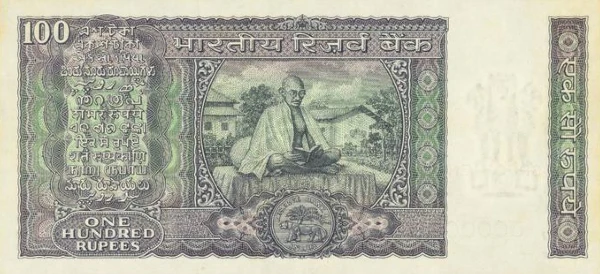
In 1969, the Government of India issued a 1 rupee note which has the portrait of Mahatma Gandhi, on the obverse, while, the Reserve Bank of India issued 2 rupee, 5 rupee, 10 rupee, and 100 rupee banknotes with seated Mahatma Gandhi and a depiction of the Sabarmati Ashram on the reverse, highlighting his role in the Indian independence movement.
Historical Milestones
Commemorative banknotes may be issued to mark historical milestones such as the signing of important treaties, the end of a war, or the anniversary of a significant historical event.
Example: Brunei and Singapore 40th anniversary of Currency Agreement
In observance of the Currency Interchangeability Agreement’s 40th anniversary which dates back to June 1967, Singapore and Brunei jointly issued commemorative $20 notes in June 2007. The new polymer $20 notes are issued in two different variants by the two administrations.
Anniversary of Banknote Printing or Issuing Authorities
Significant anniversaries of the institutions responsible for printing or issuing banknotes are also celebrated through commemorative issues. These notes often highlight the history and achievements of the central banks or printing authorities.
Example: 150th Anniversary of Standard Chartered Bank
In 2009, Hong Kong Standard Chartered Bank issued a special commemorative banknote bearing the denomination 150 dollars to mark the 150th anniversary of Standard Chartered Bank. The note is the first banknote of such value.
Anniversary of Banknote-Related Events
Commemorative banknotes are sometimes issued to mark significant milestones related to the history of banknote issuance or currency reforms.
Example: Thailand Centenary of the Issuance of Banknotes
In 2002, Thailand issued a 100 Baht banknote to commemorate the 100th anniversary of the introduction of paper money in the country. The note featured the 100 Baht banknote issued in 1902 on the reverse.
Sporting Events or International Events
Countries also issue commemorative banknotes to celebrate international events, such as the Olympics, World Expos, and major conferences. These notes often feature themes and imagery related to the event being celebrated.
Example: China 2008 Beijing Olympics
In 2008, China issued a special 10-yuan banknote to commemorate the Beijing Olympics. The note featured the iconic image of the National Stadium, also known as the Bird’s Nest, along with symbols representing the Olympic Games.
Global Milestones or Events
Global milestones or significant international events are also celebrated through commemorative banknotes, often featuring themes of global cooperation and progress.
Example: 2000 Millennium Singapore Note
On 8 December 1999, Singapore issued a special commemorative note to mark the turn of the millennium. The 2 Singapore Dollar note was similar to the banknote circulated at that time but with the prefix of the banknote replaced with the Millennium 2000 logo.
National Recognitions
Countries may issue commemorative banknotes to recognize significant national achievements, cultural milestones, or periods of peace and prosperity.
Example: Sri Lanka Ushering of Peace and Prosperity
In 2009, Sri Lanka issued a 1000 Rupee commemorative banknote to mark the end of the civil conflict and the ushering in of an era of peace and prosperity. The theme on the front of the paper money is “one country and one nation in harmony, progressing towards prosperity.” The reverse has the portrait of soldiers hoisting the Sri Lanka flag.
Design and Production of Commemorative Banknotes
The design and production of commemorative banknotes involve a meticulous process that combines artistry, technology, and security considerations. Each note is crafted to tell a story, commemorate an event, or honor an individual, while also incorporating features to prevent counterfeiting.
Artistic Elements of Commemorative Banknotes
One of the defining characteristics of commemorative banknotes is their artistic design. These notes often feature intricate engravings, vibrant colors, and detailed illustrations that set them apart from regular circulating currency. The design process involves collaboration between artists, engravers, and designers to create a visually compelling and thematically appropriate banknote.
Symbols of Commemorative Banknotes
Commemorative banknotes frequently feature portraits of prominent individuals, such as national leaders, cultural icons, and historical figures. These portraits are often accompanied by symbols and imagery that reflect the theme of the commemoration. For example, a note issued to mark a national anniversary may include depictions of historical landmarks, national emblems, and scenes from the country’s history.
Thematic Design of Commemorative Banknotes
Thematic design is a key aspect of commemorative banknotes. Each note tells a story or highlights an important aspect of the event being commemorated. This thematic approach can include visual elements that represent achievements in science, culture, and sports, as well as depictions of natural beauty and heritage. Thematic designs make commemorative banknotes not only a medium of exchange but also a form of storytelling and cultural expression.
Security Features of Commemorative Banknotes
Security features are an essential component of commemorative banknotes. While these notes are often produced in limited quantities and are not intended for widespread circulation, they still require robust security measures to prevent counterfeiting. Common security features found on commemorative banknotes include watermarks, security threads, microprinting, and holographic elements. Advances in printing technology have enabled the incorporation of cutting-edge security features, such as color-shifting inks and polymer substrates, which enhance the durability and security of the notes.
Production Techniques of Commemorative Banknotes
The production of commemorative banknotes involves advanced printing techniques and state-of-the-art technology. Banknote production facilities use specialized equipment to ensure high-quality printing and precise color reproduction. The production process includes multiple stages, from the initial design and engraving to the printing, cutting, and inspection of the final product. Quality control is a critical aspect of the production process, ensuring that each commemorative banknote meets the highest standards of craftsmanship and security.
Significance of Commemorative Banknotes
Commemorative banknotes hold significant cultural, historical, and economic value. They serve as a means of celebrating important milestones, honoring notable individuals, and promoting national identity. The issuance of commemorative banknotes also has economic implications, as these notes can become valuable collectibles and contribute to the tourism and numismatic industries.
Cultural and Historical Significance
Commemorative banknotes play a vital role in preserving and promoting cultural and historical heritage. By depicting important events, figures, and symbols, these notes help to educate the public and foster a sense of national pride. For example, a commemorative banknote issued to mark the centenary of a nation’s independence may feature key moments from the country’s history, reminding citizens of their shared heritage and achievements.
Economic Impact
The issuance of commemorative banknotes can have a positive economic impact. These notes often attract the interest of collectors and tourists, generating revenue for central banks and national mints. Additionally, the sale of commemorative banknotes and related numismatic products can contribute to the economy by supporting local businesses and cultural institutions. Limited edition commemorative banknotes can also appreciate in value over time, becoming sought-after collectibles in the numismatic market.
Promoting National Identity
Commemorative banknotes serve as a powerful tool for promoting national identity on the global stage. By showcasing a country’s history, culture, and achievements, these notes help to create a positive image and foster a sense of unity among citizens. Internationally, commemorative banknotes can enhance a country’s reputation and attract the interest of collectors and enthusiasts worldwide.
Purpose of Commemorative Banknotes
The primary purpose of issuing commemorative banknotes is to celebrate and preserve the memory of noteworthy occasions or individuals. These banknotes serve as a form of legal tender but are rarely intended for everyday transactions. Instead, they act as a tangible reminder of the event or figure they commemorate, often capturing the essence of national pride and historical significance. For instance, a country might issue a commemorative banknote to mark the centenary of its independence, celebrate a prominent leader, or highlight a landmark cultural achievement.
Collectors’ interest in commemorative banknotes stems from their limited availability and the unique stories they tell. Each banknote is a piece of history, encapsulating the moment it was issued and the context in which it was created. The intricate designs and limited print runs add to their allure, making them valuable additions to collections. The general public, too, often appreciates these banknotes for their artistic value and the sense of connection to the national heritage they provide.
In essence, commemorative banknotes play a dual role. They function as legal tender while simultaneously acting as collectible items that capture the imagination of collectors and the public alike. Their limited issuance and the significant events or figures they honor ensure that they remain treasured pieces of currency history.
Commemorative banknotes have a rich and varied history. Several nations issued commemorative banknotes to mark historical events or milestones such as the coronation or anniversaries of monarchs, and significant anniversaries of independence. Commemorative banknotes have also honored notable figures, contributing to their legacy and public remembrance. They also often showcase the artistic and cultural heritage of a country. The designs, often more elaborate than regular currency, reflect national pride and identity.
Economic Impact of Commemorative Banknotes
Revenue Generation
One of the primary economic benefits of commemorative banknotes is the revenue they generate for governments and central banks. Because these banknotes are often sold at a premium above their face value, they provide a profitable source of income. Collectors and enthusiasts are willing to pay more than the note’s nominal value due to its limited edition status and unique design.
Promotion of National Heritage and Tourism
Commemorative banknotes often feature designs that highlight a country’s cultural heritage, notable landmarks, and significant historical events. This not only fosters a sense of national pride but also promotes tourism. Visitors are attracted to countries with rich histories and unique cultural identities, and commemorative banknotes serve as tangible reminders of these attractions.
For instance, Thailand’s commemorative banknotes, which frequently feature images of their revered monarchs and historical events, serve as mementos for tourists. These notes help to market the country’s rich cultural heritage, encouraging tourism and related economic activities.
Boosting Collecting and Hobby Industries
The issuance of commemorative banknotes has a substantial impact on the numismatic and hobbyist markets. Collectors eagerly anticipate new releases, driving demand in the secondary market. This demand can lead to a thriving trade in commemorative banknotes, with prices often appreciating over time, especially for rare and well-preserved notes. For instance, commemorative banknotes issued by China to mark the Millennium in 2000 have become highly sought after by collectors.
Production of Commemorative Banknotes
Innovative Design Elements
Commemorative banknotes often feature innovative and intricate designs that set them apart from regular circulation notes. These designs may include advanced security features, unique color schemes, and elaborate illustrations that capture the essence of the commemorated event or figure.
Limited Editions and Collectibility
The limited-edition nature of commemorative banknotes significantly contributes to their collectibility and economic value. Central banks typically announce the production of a specific number of commemorative notes, creating a sense of scarcity and urgency among collectors. This limited availability can drive up the market value of the banknotes over time.
Advanced Security Features
To protect against counterfeiting and enhance the collectibility of commemorative banknotes, central banks often incorporate advanced security features. These may include watermarks, holograms, micro printing, and color-shifting inks. These features not only ensure the integrity of the banknotes but also add to their appeal as collectible items.
Differences from Regular Issues
Purpose and Function of Banknotes
The primary difference between commemorative and regular issue banknotes lies in their purpose and function. Regular issue banknotes are produced in large quantities for everyday transactions and economic activities. They are designed for durability and practicality, with features that facilitate easy handling and use.
In contrast, commemorative banknotes are produced to celebrate specific events or figures. While they are legal tender and can be used for transactions, they are primarily intended for collectors and as souvenirs. Their designs are more elaborate and symbolic, reflecting the significance of the commemorated event or figure.
Design and Features of Banknotes
Regular issue banknotes typically have consistent designs across different denominations, with standard security features and color schemes. Their designs often prioritize functionality and ease of recognition.
Commemorative banknotes, on the other hand, feature unique and intricate designs that set them apart from regular issue notes. These designs often include portraits, landmarks, and symbols relevant to the commemorated event or figure. Advanced security features and artistic elements enhance their collectibility and appeal.
Production Volume and Distribution of Banknotes
Regular issue banknotes are produced in large quantities to meet the demand for daily transactions. They are widely distributed through banks, ATMs, and commercial transactions.
Commemorative banknotes are produced in limited quantities, making them more scarce and valuable. Their distribution is often controlled, with many notes being sold directly to collectors through central banks, authorized dealers, or special commemorative programs.
Notable Commemorative Banknotes
Thailand 500 Baht Polymer Note for 50th Anniversary of King Rama IX’s Accession to the Throne
In 1996, the Bank of Thailand issued a 500 Baht polymer note to commemorate the 50th anniversary of King Rama IX’s accession to the throne. This was the first polymer note to be issued in Thailand, printed by Note Printing Australia (NPA). Its distinctive gold and green colors, along with advanced security features like holographic elements and a transparent window, made it stand out.
This banknote was sold at a premium of 1,100 Baht above its actual face value, a significant piece of modern Thai history commemorating a pivotal event. Its limited production run of 1 million banknotes and unique design have made it a valuable item for collectors, boosting its market value and highlighting the role of commemorative banknotes in preserving national memory.
Nepal 250 Rupees Note for 25th Anniversary of King Birendra’s Accession to the Throne
In 1997, the Nepal Rastra Bank issued a 250 Rupee note to commemorate the 25th anniversary of King Birendra’s accession to the throne. This is a very interesting denomination chosen because of its linkage to “25”. The note features a portrait of King Birendra together with a silver jubilee hologram. Error notes with no hologram are also known.
Sri Lanka 200 Rupee Polymer Note for 50th Anniversary of Independence
In 1998, the Central Bank of Sri Lanka issued a commemorative 200 Rupee polymer note to mark the 50th anniversary of independence. Interestingly, it is the polymer banknote issued in Sri Lanka to date. The note was also printed by Note Printing Australia (NPA). The note features images of Sri Lanka’s national symbols and significant landmarks, along with advanced security features such as a transparent window and tactile marks.
This note comes in two versions: one with red serial numbers (accompanied by a special folder) and one with black serial numbers. The red serial number variety is only available only with the N/1 prefix, and only 1 million banknotes were issued. Its limited circulation has made it a sought-after item, contributing to its appreciation in value over time.
Conclusion
Commemorative banknotes represent far more than a means of payment. They serve as miniature historical documents that celebrate significant events, honor influential figures, and showcase the artistic and cultural identity of the issuing nation. From limited-edition issues marking national anniversaries to notes commemorating major international events, these banknotes offer collectors a unique blend of history, design, and storytelling.
Whether you collect commemorative notes for their historical significance, artistic appeal, or investment potential, understanding their background and rarity can help you build a more meaningful collection. As interest in world paper money continues to grow, commemorative banknotes remain one of the most fascinating and accessible areas of banknote collecting, offering something for both beginning and advanced collectors alike.