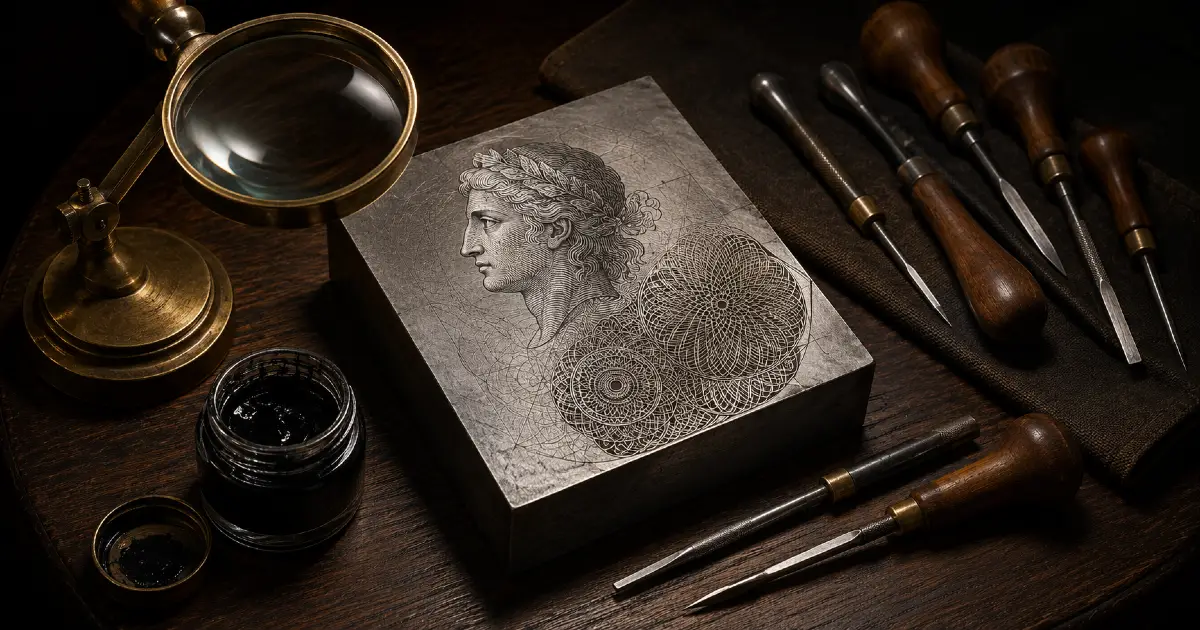
The question of who prints paper money leads to a specialized global industry that operates far beyond ordinary commercial printing. Banknotes are produced by highly secure organizations working under the authority of central banks, finance ministries, or sovereign governments. These organizations may be government-owned printing works, central bank subsidiaries, or private banknote printing companies contracted to produce currency for one or more countries.
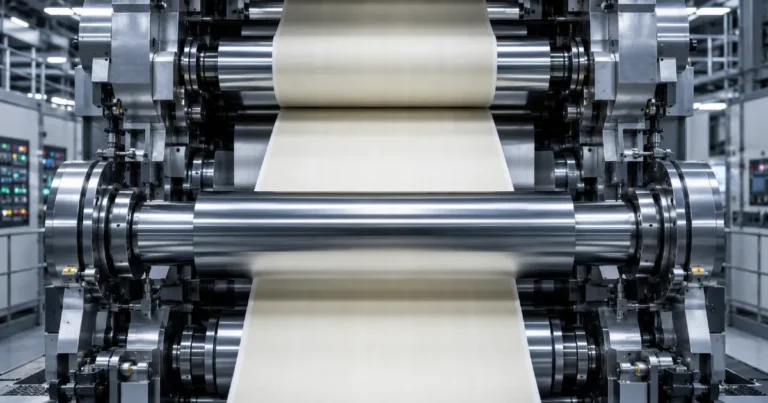
Unlike ordinary printed materials, banknotes require restricted substrates, secure inks, engraved plates, serial numbering systems, embedded security features, automated inspection, and strict accounting controls. Every sheet, plate, ink batch, rejected note, and finished bundle must be tracked through a controlled production process.
For collectors and numismatic researchers, understanding banknote printers is more than a technical detail. The printer behind a note can help explain differences in paper quality, polymer substrate, intaglio depth, watermark style, security thread type, serial number format, printer imprint, and even scarcity. In some cases, identifying the printer can be essential for distinguishing varieties within the same country, denomination, or issue period.
This guide explains the main types of banknote printers, why some countries print their own currency while others outsource production, and how collectors can identify the companies and state-owned security printers behind important paper money issues.
Table of Contents
What Are Banknote Printers?
Banknote printers are specialized security printing organizations responsible for producing paper money, polymer banknotes, and related secure documents under strict government or central bank supervision. Their work combines secure design, industrial printing, anti-counterfeiting technology, quality control, and controlled distribution.
Most banknote printers do not operate like ordinary commercial printers. They work in restricted facilities with secure access, monitored production lines, and strict inventory controls. Banknote paper, polymer film, security threads, printing plates, ink, unfinished sheets, rejected sheets, and finished notes must all be recorded and accounted for.
Many banknote printers also produce other high-security documents, including passports, visas, tax stamps, postage stamps, government bonds, identity documents, and secure certificates. This overlap exists because banknote production and secure document production require similar expertise in engraving, substrate control, anti-counterfeiting design, and industrial security.
From a collector’s perspective, the printer is part of a banknote’s production history. A note printed by a domestic state press may differ from one printed by a private contractor, even when the basic design appears similar. Differences in paper, ink, watermark formation, plate work, numbering, and printer imprints can all become important for classification and valuation.
State-Owned Security Printers
Many countries produce their own circulating currency through state-owned security printers, government printing works, or central bank subsidiaries. These institutions are usually created to give a country direct control over its money supply and to reduce dependence on foreign contractors.
State-owned security printers are often responsible for domestic currency production only. Their main purpose is not commercial export, but monetary sovereignty, security, and long-term production capacity. In countries with large populations or high banknote demand, maintaining a domestic printing facility can be practical and strategically important.
Examples of state-owned or government-controlled banknote printers include the United States Bureau of Engraving and Printing, Security Printing and Minting Corporation of India Limited, the National Printing Bureau of Japan, China Banknote Printing and Minting Corporation, Goznak in Russia, and central bank-operated printing works in several countries.
The advantage of state-owned security printers is control. Governments can supervise production directly, protect sensitive designs and security features, and maintain domestic capacity during emergencies. The disadvantage is cost. Building and operating a secure banknote printing facility requires major investment in machinery, security infrastructure, specialist staff, paper or polymer handling, and inspection systems.
Private Banknote Printing Companies
Private banknote printing companies also play a major role in global currency production. These companies print banknotes for governments and central banks under secure commercial contracts. They are especially important for countries that do not have their own domestic printing works, or for those that require additional capacity, advanced security features, polymer expertise, or emergency production.
Well-known private banknote printing companies include De La Rue, Giesecke+Devrient, Crane Currency, Oberthur Fiduciaire, Canadian Bank Note Company, and several historic firms such as American Bank Note Company, Bradbury Wilkinson, and Waterlow and Sons.
Private security printers often serve multiple countries and may offer complete currency solutions, including design, substrate supply, security features, printing, inspection, and logistics. Some also maintain proprietary technologies for security threads, holograms, color-shifting inks, polymer windows, micro-optic features, and machine-readable elements.
For smaller countries, private banknote printing companies can provide access to advanced technology without the cost of building a domestic security printing plant. For collectors, outsourced banknotes can be especially interesting because printer imprints, contract changes, and production differences may create identifiable varieties.
Why Countries Outsource Banknote Printing
Not every country prints its own paper money. Many governments outsource currency production to private banknote printing companies or foreign state-owned security printers. This decision is usually based on cost, production volume, technical expertise, and security needs.
No Domestic Security Printing Facility
A secure banknote printing works is expensive to build and maintain. It requires restricted buildings, specialized presses, plate-making equipment, secure paper or polymer handling, automated inspection systems, trained staff, and continuous security monitoring. For smaller countries, outsourcing may be more practical than maintaining a domestic facility.
Lower Banknote Production Volume
Countries with smaller populations may not need enough banknotes each year to justify a permanent domestic printing plant. Outsourcing allows them to order production when needed without carrying the full cost of operating a state press.
Access to Advanced Security Features
Some banknote printing companies develop proprietary security technologies, such as advanced security threads, holographic elements, color-shifting inks, micro-optic features, or polymer window systems. Outsourcing can give a country access to these features. For a detailed look at watermarks, threads, UV elements, and other protective details, see our guide to banknote security features.
Polymer and Hybrid Substrate Expertise
Polymer banknotes and hybrid substrates require different production techniques from traditional cotton-based paper. Countries moving to polymer or hybrid notes may contract with firms that already have experience in handling these materials.
Emergency or Backup Production
Outsourcing can also provide backup capacity. If a domestic printing facility faces disruption, or if a country suddenly needs additional banknotes, foreign printers may be used to support emergency production.
Cost and Procurement Flexibility
For some governments, outsourcing provides flexibility. A central bank can request bids from several banknote printers, compare security features and production costs, and select a supplier based on technical and financial requirements.
Major Banknote Printers
The following directory introduces some of the most important historical and modern banknote printers. It includes both state-owned security printers and private banknote printing companies. For collectors, these names frequently appear in catalog references, auction descriptions, specimen notes, and printer imprints.
American Bank Note Company
- Country: United States
- Ownership Type: Private commercial printer, historical
- Role and Scope: American Bank Note Company, often abbreviated as ABNC, was one of the most important private security printers in the history of world paper money. Formed in the 19th century through the consolidation of several American engraving firms, it became a major producer of banknotes, stamps, stock certificates, bonds, and secure documents.
- Collector Relevance: ABNC is especially important for collectors of Latin American, Asian, Canadian, and early private or colonial banknotes. Its notes are known for detailed steel-plate engraving, allegorical vignettes, ornate borders, strong intaglio work, and clear printer imprints. Many ABNC-printed notes are collected not only as currency, but also as examples of classic security engraving.
Bradbury Wilkinson & Co.
- Country: United Kingdom
- Ownership Type: Private commercial printer, historical
- Role and Scope: Bradbury Wilkinson was a major British security printer that produced banknotes, stamps, bonds, and other secure documents for many countries. It operated for more than a century before becoming part of De La Rue.
- Collector Relevance: Bradbury Wilkinson banknotes are widely collected for their elegant design, strong engraved portraits, and distinctive British security printing style. The firm printed notes for countries and territories across Asia, Europe, Africa, Oceania, and the Americas. Printer imprints from Bradbury Wilkinson can be important for identifying varieties and contract issues.
Canadian Bank Note Company
- Country: Canada
- Ownership Type: Private commercial printer
- Role and Scope: Canadian Bank Note Company is a major security printing firm based in Ottawa. It has produced Canadian banknotes and also provides secure printing and technology services for other governments and institutions.
- Collector Relevance: CBNC is significant for collectors of Canadian, Caribbean, and modern polymer-related banknotes. Its work is associated with precise printing, advanced security features, and modern secure document production. Collectors may encounter CBNC through banknote references, printer records, and contract issues.
China Banknote Printing and Minting Corporation
- Country: China
- Ownership Type: State-owned enterprise
- Role and Scope: China Banknote Printing and Minting Corporation, often abbreviated as CBPM, operates under the authority of China’s monetary system and manages large-scale production related to the renminbi. Its operations include secure paper, ink, printing, and minting facilities.
- Collector Relevance: CBPM is important because of the scale of Chinese currency production and its role in modern security printing. Collectors may study CBPM output for paper quality, watermark styles, security fibers, printing consistency, and modern Chinese issue varieties.
Crane Currency
- Country: United States, Sweden, and Malta
- Ownership Type: Private commercial printer and substrate supplier
- Role and Scope: Crane Currency is historically known for supplying banknote paper for United States currency and has also developed into a major international banknote printer. The company is associated with secure substrates and advanced security thread technology.
- Collector Relevance: Crane is especially relevant to collectors interested in modern security features, including micro-optic threads and advanced anti-counterfeiting elements. Its role as both a substrate specialist and printer makes it important in the study of modern banknote production.
De La Rue
- Country: United Kingdom
- Ownership Type: Private commercial printer
- Role and Scope: De La Rue is one of the most recognized names among global banknote printing companies. The company has printed banknotes, passports, stamps, and secure documents for many countries and has played a major role in modern currency production.
- Collector Relevance: For world banknote collectors, De La Rue is one of the most important printer names. Its imprint appears on many classic and modern banknotes from Asia, Africa, the Middle East, Europe, the Caribbean, and Latin America. De La Rue-printed notes are often studied for signature varieties, printer imprints, paper types, security threads, and contract changes.
Giesecke+Devrient
- Country: Germany
- Ownership Type: Private commercial printer
- Role and Scope: Giesecke+Devrient, commonly known as G+D, is a major German security technology and banknote printing company. It provides banknote design, printing, substrate, security feature, and currency technology services to central banks and governments.
- Collector Relevance: G+D is important for collectors of modern banknotes because of its role in advanced security printing, hybrid substrates, secure paper technology, and machine-readable features. Notes associated with G+D are often studied for print precision, substrate type, and security feature design.
Goznak
- Country: Russia
- Ownership Type: State-owned security printer
- Role and Scope: Goznak is Russia’s state-controlled security printing and minting organization. It produces Russian banknotes and coins, along with other secure documents and printed materials.
- Collector Relevance: Goznak is important for collectors of Russian, Soviet, Eastern European, Central Asian, and some export-related banknotes. Its notes are often associated with distinctive paper, watermark styles, security fibers, and strong state security printing traditions.
National Printing Bureau of Japan
- Country: Japan
- Ownership Type: Government-administered printing agency
- Role and Scope: The National Printing Bureau of Japan is responsible for printing Japanese banknotes and other official printed materials. Japan’s banknotes are known for high production standards, detailed engraving, precise printing, and advanced anti-counterfeiting features.
- Collector Relevance: Collectors value Japanese banknotes for their technical quality, strong intaglio work, clear watermarks, and refined design. The National Printing Bureau is especially relevant for those studying modern Japanese yen notes, signature changes, security upgrades, and printing consistency.
Note Printing Australia
- Country: Australia
- Ownership Type: Central bank subsidiary
- Role and Scope: Note Printing Australia is a wholly owned subsidiary of the Reserve Bank of Australia. It is closely associated with the development and production of modern polymer banknotes and has printed polymer notes for Australia and other countries.
- Collector Relevance: NPA is essential for collectors of polymer banknotes. Australia introduced the first circulating polymer banknote, and NPA has played an important role in the international spread of polymer currency. Collectors study NPA notes for clear windows, optical features, shadow images, substrate differences, and polymer security design.
Oberthur Fiduciaire
- Country: France
- Ownership Type: Private commercial printer
- Role and Scope: Oberthur Fiduciaire is a major French security printer that produces banknotes and secure documents for governments and central banks. It combines traditional security printing methods with modern anti-counterfeiting technology.
- Collector Relevance: Oberthur-printed banknotes are found across many countries and are studied for their print quality, intaglio elements, color use, and security features. For collectors, Oberthur is one of the important European names among private banknote printing companies.
Orell Füssli Security Printing
- Country: Switzerland
- Ownership Type: Private company with close national currency role
- Role and Scope: Orell Füssli Security Printing is the printer of Swiss banknotes and one of Europe’s oldest security printing names. It has a long history in secure printing and is associated with technically advanced banknote production.
- Collector Relevance: Swiss banknotes are often regarded as among the most technically sophisticated modern issues. Collectors study Orell Füssli notes for complex design, substrate technology, microprinting, registration, and modern security features.
Pakistan Security Printing Corporation
- Country: Pakistan
- Ownership Type: State-owned or central bank-controlled security printer
- Role and Scope: Pakistan Security Printing Corporation produces Pakistan’s domestic currency and other secure documents. It has played an important role in the development of Pakistan’s post-independence banknote production.
- Collector Relevance: For collectors of South Asian paper money, PSPC is important for studying Pakistan’s domestic printing history, serial number styles, watermark changes, security thread varieties, and issue transitions.
Security Printing and Minting Corporation of India
- Country: India
- Ownership Type: Wholly owned Government of India corporation
- Role and Scope: Security Printing and Minting Corporation of India Limited, commonly known as SPMCIL, operates India’s government security presses and mints. Its currency printing operations include major banknote printing presses and security paper facilities.
- Collector Relevance: SPMCIL is highly important for collectors of Indian banknotes. Differences between press locations, plate markings, serial number styles, paper types, inset letters, signatures, and printing varieties can all matter when classifying modern Indian paper money.
Thailand Note Printing Works
- Country: Thailand
- Ownership Type: Operated by the Bank of Thailand
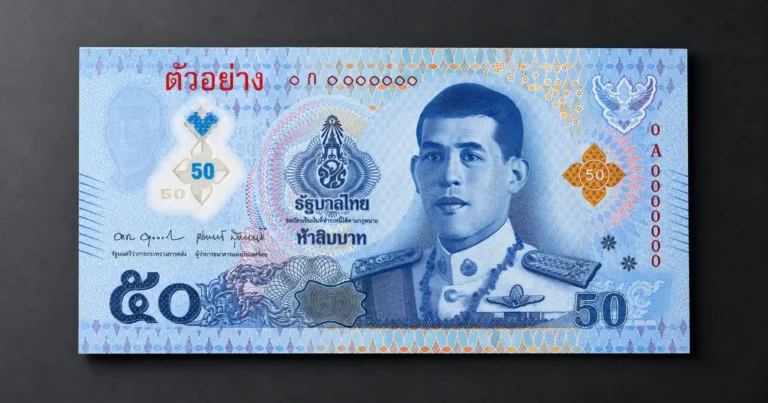
- Role and Scope: Thailand’s Note Printing Works was established to support domestic currency production and reduce reliance on foreign printers. It produces Thai banknotes under the authority of the Bank of Thailand.
- Collector Relevance: For collectors of Thai banknotes, the Note Printing Works is central to modern classification. Signature combinations, prefix formats, commemorative issues, polymer notes, and security feature changes are all important areas of study.
United States Bureau of Engraving and Printing
- Country: United States
- Ownership Type: Government bureau under the U.S. Department of the Treasury
- Role and Scope: The Bureau of Engraving and Printing, commonly known as the BEP, produces United States paper currency. It operates secure printing facilities and is responsible for manufacturing Federal Reserve Notes.
- Collector Relevance: The BEP is especially important for collectors of United States paper money. Plate numbers, face and back plate positions, series dates, district letters, star notes, Fort Worth facility marks, and production differences are all studied by collectors and researchers.
Waterlow and Sons
- Country: United Kingdom
- Ownership Type: Private commercial printer, historical
- Role and Scope: Waterlow and Sons was a major British security printer that produced banknotes, stamps, bonds, and other secure documents for many countries before being acquired by De La Rue.
- Collector Relevance: Waterlow banknotes are highly collectible because of their detailed engraving, strong portrait work, attractive layouts, and wide international use. The Waterlow imprint is an important identifying feature on many historical world banknotes.
Do Banknote Printers Affect Collectability?
Yes. For collectors and variety specialists, banknote printers can affect how a note is studied, classified, and valued. The printer may influence the physical appearance, production method, security features, and known varieties of a banknote issue.
Print Quality and Intaglio Depth
Different printers may use different plate preparation methods, ink formulations, pressure settings, and production standards. This can affect the sharpness of portraits, the depth of intaglio printing, and the feel of raised ink.
Printer Imprints and Marginal Text
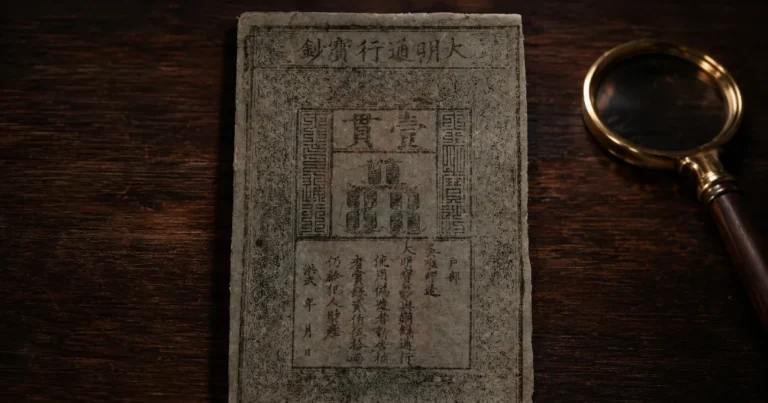
Many historical banknotes include small printer imprints along the bottom margin or border. Names such as American Bank Note Company, Bradbury Wilkinson, Waterlow and Sons, or Thomas De La Rue can help identify the printer and sometimes distinguish one variety from another.
Substrate Differences
A change in printer may also mean a change in substrate. Notes printed on cotton paper, polymer, or hybrid material may differ in texture, durability, transparency, security windows, and embedded features.
Security Features
State-owned security printers and private banknote printing companies may use different watermark styles, security thread types, fibers, and embedded elements. These can be useful for authentication and variety classification.
Specimen Notes and Proofs
Banknote printers often produce specimen notes, proofs, and presentation pieces for central banks, archives, or internal reference. These non-circulating notes may carry specimen overprints, zero serial numbers, cancellation holes, or printer annotations. They are often highly collectible.
How to Identify the Printer of a Banknote
Identifying who printed a banknote is not always simple. Some notes clearly show a printer imprint, while others require catalog research or comparison with known varieties.
Check the Margins for Printer Imprints
Use magnification to inspect the lower border, back border, or fine text areas of the note. Many older notes include small engraved printer names or abbreviations. These imprints are among the most direct ways to identify banknote printers.
Look for Known Printer Marks
Some printers used specific symbols, plate marks, or layout conventions. These are not always obvious, but specialist catalogs and auction records may identify them.
Compare Paper, Watermark, and Security Thread Types
Different printers may use different substrate suppliers, watermark designs, thread types, or paper characteristics. Comparing these features can help narrow down the printer or production period.
Study Serial Number and Prefix Styles
Serial number fonts, prefix formats, replacement note indicators, and numbering positions can sometimes point to a specific printer, especially when a country used more than one printing source.
Use Specialized Banknote Catalogs
World paper money catalogs, country-specific references, central bank publications, and specialist numismatic books often identify the printer for each issue. These sources are especially useful for notes without visible imprints.
Why Banknote Printers Matter
Banknote printers matter because they connect a note to its production history. Two notes from the same country may look similar at first, but differences in printer, paper, security features, serial numbering, or imprint can make them separate collectible varieties.
For example, a colonial-era issue printed by a British private security printer may carry a visible company imprint, while a later domestic issue may show different paper, watermark, and engraving characteristics. A modern country may also shift from outsourced printing to domestic production, creating transition varieties that collectors can study.
Understanding banknote printers helps collectors answer important questions:
- Was the note printed domestically or overseas?
- Was it produced by a state-owned security printer or a private firm?
- Does the note carry a printer imprint?
- Did the printer change between issues?
- Are there differences in paper, polymer, watermark, thread, or serial number style?
- Does the printer help explain rarity or collectability?
For advanced collectors, these details can turn a common-looking note into a more interesting variety.
Conclusion: Why Banknote Printers Are Important
Banknote printers are an important part of paper money history. They explain how currency moves from official design approval to secure production, inspection, and circulation. Some countries rely on state-owned security printers to maintain direct control over domestic currency, while others use private banknote printing companies for technology, capacity, or cost reasons.
For collectors, knowing who prints paper money adds another layer of understanding. The printer can help explain design style, paper quality, polymer use, watermark differences, security threads, serial number formats, printer imprints, and production varieties. In some cases, identifying the printer is essential for separating ordinary notes from scarcer and more specialized issues.
Whether a banknote was produced by a national printing works, a central bank subsidiary, or an international private security printer, its production origin forms part of its numismatic story. Studying banknote printers helps collectors see each note not only as money, but as a secure printed object shaped by technology, national policy, and the history of currency production.