This comprehensive coin collecting beginners guide serves as your ultimate roadmap for navigating the deeply rewarding world of numismatics, guiding your transition from a first-time novice to an advanced, market-savvy master. Collecting coins is far more than a casual hobby; it is a tangible engagement with global history, a celebration of fine world artistry, and a sophisticated strategy for building long-term financial asset value.
Whether your goal is to preserve a piece of ancient heritage, enjoy the thrill of the hunt for elusive varieties, or curate a highly competitive, certified investment portfolio, a structured and disciplined approach is the absolute key to success. This guide breaks down everything you need to know to protect your capital, hone your technical eye, and master the coin market.
What is Coin Collecting?
Coin collecting involves the acquisition and study of coins or other forms of minted legal tender. Collectors often seek coins from different eras, countries, and categories, such as commemorative coins, ancient coins, or error coins. The goal can vary from personal enjoyment to building a valuable collection that can be passed down through generations or sold for a profit.
Why Collect Coins?
While some may see it as an old-fashioned pastime, the allure of coin collecting remains strong, attracting enthusiasts from all walks of life. Here are some compelling reasons why people collect coins:
Historical Significance
Coins are tangible pieces of history that offer a glimpse into the past. Each coin has a story to tell, reflecting the culture, politics, and economy of its time. Collecting coins allows individuals to connect with historical events and figures in a way that books and documentaries cannot.
Artistic Appeal
The artistry involved in coin design is another significant draw for collectors. Coins often feature intricate designs, portraits of important figures, and symbolic imagery. Collectors appreciate the aesthetic value of coins, which often display a high level of detail and beauty, making them miniature masterpieces.
Educational Value
Coin collecting is an educational hobby that encourages learning across multiple disciplines. It encompasses history, geography, economics, and even chemistry. For example, understanding the composition of different coins involves basic principles of metallurgy.
Sense of Community
Coin collecting fosters a sense of community among enthusiasts. There are numerous clubs, online forums, and social media groups where collectors can share their findings, exchange knowledge, and participate in discussions. Collecting also offers opportunities to attend coin shows, trade coins, and build friendships based on shared interests.
Preservation of Heritage
By collecting and preserving coins, individuals contribute to the preservation of cultural heritage. Coins that might otherwise be lost, melted down, or forgotten are safeguarded for future generations. This stewardship of historical artifacts ensures that important pieces of our collective past remain accessible and appreciated.
Personal Interest
Many people collect coins simply out of personal interest and enjoyment. The hobby allows for a deep dive into a specific area of interest. For some, it’s the thrill of the hunt, searching for that one elusive coin to complete a set. For others, it’s about the stories and memories associated with each coin. Personal interest drives collectors to learn more and continuously engage with their collections in meaningful ways.
Financial Potential
While many collectors start for the love of the hobby, the financial aspect of coin collecting cannot be overlooked. Rare and well-preserved coins can appreciate significantly in value over time. Coins made from precious metals like gold and silver also hold intrinsic value. Savvy collectors can build portfolios that serve as both enjoyable hobbies and profitable investments.
Starting a Collection
Setting Goals
Before starting a collection, it’s essential to set clear goals. Decide what you want to achieve with your collection. Are you interested in the historical aspect, the artistic designs, or the potential financial value? Setting goals will help you stay focused and make informed decisions when acquiring coins.
Research and Education
Educating yourself about coin collecting is crucial. There are numerous resources available, including books, websites, and online forums, where you can learn about different coins, their history, and their value. Some recommended resources include:
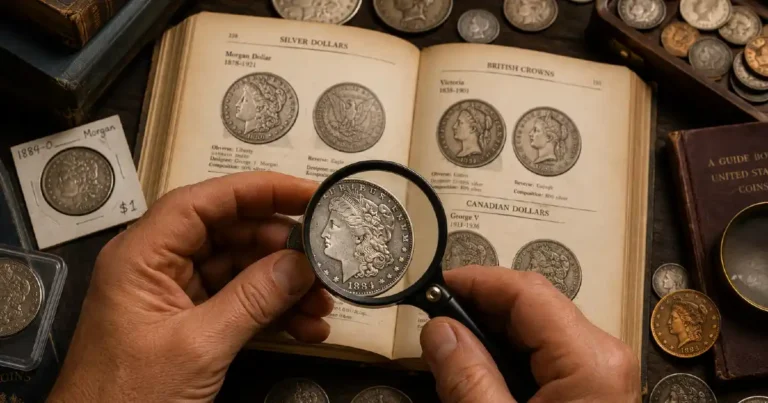
Books: “A Guide Book of United States Coins” (commonly known as the “Red Book”) by R.S. Yeoman is an excellent starting point for U.S. coin collectors. For international coins, the “Standard Catalog of World Coins” by Krause Publications is highly regarded.
Websites: Websites like CoinWeek, Numismatic News, and the American Numismatic Association offer valuable information and news about coin collecting.
Online Forums: Joining online communities such as CoinTalk or the Collectors Universe forums can connect you with experienced collectors who can offer advice and share knowledge.
Budgeting
Determine how much money you are willing to invest in your coin collection. It’s easy to get carried away, but having a budget will help you make strategic purchases and avoid overspending. Remember that building a valuable collection takes time, so be patient and make wise investments.
Starting Small
For beginners, it’s advisable to start small. Begin by collecting low-cost coins that are readily available, such as modern coins or those found in circulation. This will help you develop your skills in identifying and evaluating coins without significant financial risk.
Expanding Your Collection
Setting Goals and Specializing
As your collection grows, consider setting specific goals and specializing in particular areas of interest. Specialization allows you to focus your efforts and resources on building a more comprehensive and valuable collection. Some potential areas of specialization include:
By Country or Region: Collecting coins from specific countries or regions. Specializing in a geographic area allows you to explore the diverse coinage and historical developments within that region.
By Historical Period: Focusing on coins from a particular era, such as ancient Roman or medieval European coins. Specializing in a historical period provides insights into the economic, political, and cultural aspects of that time.
By Denomination or Type: Collecting specific denominations or types of coins, such as pennies, quarters, or silver dollars. Specializing in a denomination or type allows for detailed study and comparison of variations within that category.
By Theme: Collecting coins with specific themes, such as animals, landmarks, or historical figures. Thematic collections offer creative ways to curate and present your collection.
Setting goals helps you stay focused and motivated. Goals can include completing a specific set, acquiring rare or high-grade examples, or building a collection that tells a historical narrative.
Upgrading and Replacing Coins
As you acquire more knowledge and experience, you may find the desire to upgrade the quality of your collection. This involves replacing lower-grade coins with higher-grade examples or seeking out rare and valuable coins to enhance the overall value and appeal of your collection. Professional grading services can assist in evaluating and certifying the condition of your coins.
Evaluating Coins: Regularly review your collection to identify coins that could be upgraded. Consider factors such as grade, rarity, and historical significance when deciding which coins to upgrade.
Selling and Trading: Selling or trading lower-grade coins can provide funds or trade value to acquire higher-grade or more desirable coins. Utilize coin shows, auctions, and dealer networks to facilitate transactions.
Authentication and Grading: Submitting coins to professional grading services for authentication and grading can increase their market value and credibility. Graded coins are encapsulated in protective holders with certification details.
Upgrading your collection involves making strategic decisions about which coins to acquire and which to replace. Careful evaluation and research are essential for maximizing the quality and value of your collection.
Exploring Different Coin Types
Diversifying your collection by exploring different types of coins can add depth and variety. Some intriguing coin types to consider include:
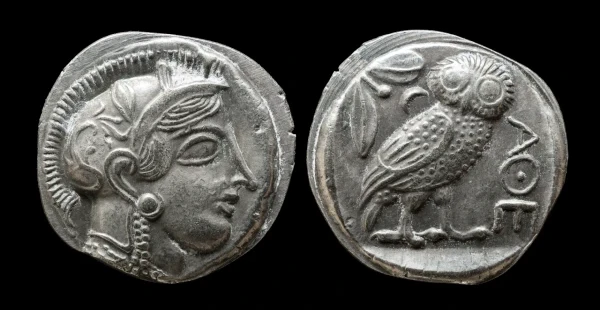
Ancient Coins: Coins from ancient civilizations like Greece, Rome, and Egypt. Ancient coins offer a glimpse into early monetary systems, artistic styles, and historical events.
Medieval Coins: Coins from the Middle Ages, featuring unique designs and historical significance. Medieval coins reflect the complex political and economic landscapes of the time.
Bullion Coins: Precious metal coins, such as gold, silver, and platinum coins, are valued for their metal content. Bullion coins are popular for their intrinsic value and investment potential.
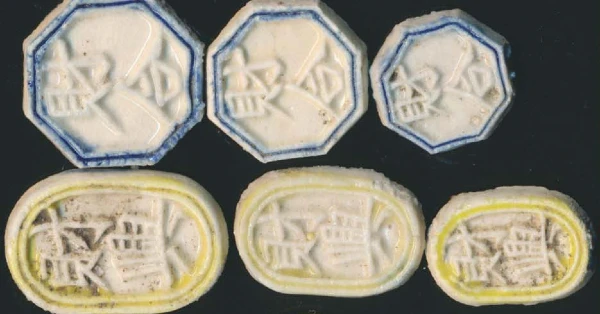
Tokens and Medals: Non-monetary coins issued for commemorative or commercial purposes. Tokens and medals often feature artistic designs and commemorate significant events or achievements.
Exploring different coin types expands your knowledge and appreciation for the diverse world of numismatics. Each type offers unique insights into the history, culture, and technology of coinage.
Enhancing Your Skills
Coin Grading and Authentication
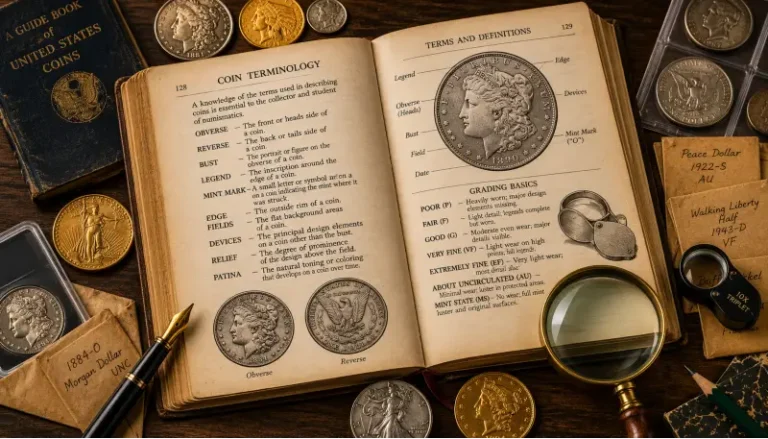
Developing the skill to accurately grade and authenticate coins is crucial for advanced collectors. Understanding the grading criteria and standards used by professional grading services will help you assess the quality and value of your coins. Practice examining coins under magnification and comparing them to reference materials and professionally graded examples.
Grading Standards: Familiarize yourself with the grading standards used by major grading services like PCGS and NGC. Learn to identify the characteristics that distinguish different grades, such as strike quality, luster, and surface preservation.
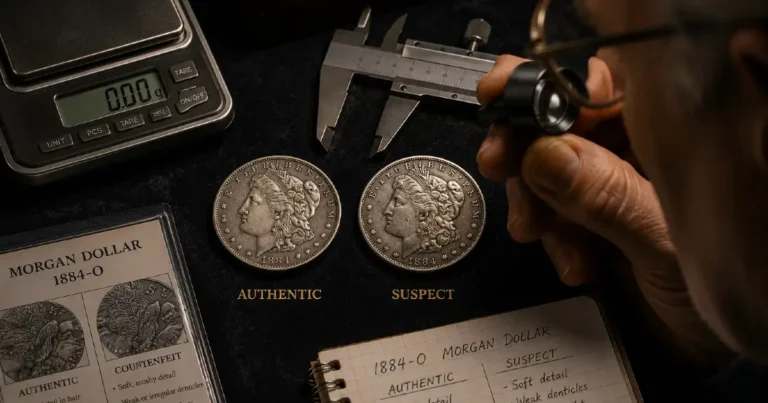
Authentication Techniques: Study the techniques used to authenticate coins, including weight and dimension measurements, metal composition analysis, and examination of mint marks and design details. Learn to recognize common signs of counterfeiting, such as incorrect weight, altered surfaces, and inconsistent details.
Hands-On Practice: Practice grading and authenticating coins regularly to develop your skills. Compare your assessments with those of professional graders and seek feedback from experienced numismatists.
Mastering coin grading and authentication is a gradual process that requires continuous learning and practice. Developing these skills enhances your ability to build a high-quality and valuable collection.
Preservation and Storage Techniques
Proper preservation and storage techniques are essential to maintaining the condition and value of your coins. Advanced collectors should invest in high-quality storage solutions and follow best practices for handling and storing coins. This includes:
Avoiding Direct Contact: Always handle coins by their edges and avoid touching the surfaces to prevent oils and dirt from damaging the coin. Wear cotton gloves when handling valuable or high-grade coins.
Using Protective Holders: Store coins in acid-free holders or capsules to protect them from environmental damage. Holders should be designed to fit the coin snugly, preventing movement and potential damage.
Controlling Environmental Factors: Keep coins in a stable environment with controlled temperature and humidity to prevent corrosion and tarnishing. Avoid storing coins in areas with high humidity, direct sunlight, or temperature fluctuations.
Implementing proper preservation and storage techniques is crucial for maintaining the condition and value of your collection. Investing in quality storage solutions and following best practices will help protect your coins for future generations.
Advanced Research and Documentation
Advanced collectors often engage in thorough research and documentation of their collections. This involves studying historical records, numismatic literature, and auction catalogs to gain insights into the provenance, rarity, and value of their coins. Keeping detailed records of your collection, including photographs, descriptions, and provenance, will enhance its historical and financial value.
Historical Research: Study the historical context and significance of your coins. Research the minting processes, historical events, and notable figures associated with your coins.
Cataloging and Documentation: Maintain detailed records of your collection, including photographs, descriptions, and provenance. Use digital tools and software to organize and manage your collection.
Provenance and Rarity: Document the provenance and rarity of your coins. Provenance refers to the documented history of ownership, which can enhance the value and historical significance of a coin. Rarity is determined by factors such as mintage, survival rates, and demand.
Advanced research and documentation add depth and context to your collection. Thoroughly researched and well-documented collections are highly valued by collectors and historians.
Navigating the Market
Buying and Selling Coins
Understanding the dynamics of the coin market is crucial for advanced collectors. This includes knowing where to buy and sell coins, how to evaluate market trends, and how to negotiate effectively. Some key considerations include:
Auction Houses: Established auction houses offer a platform for buying and selling rare and valuable coins. Auctions provide access to a wide range of coins and the opportunity to acquire unique and high-quality pieces.
Dealers and Coin Shops: Reputable coin dealers and shops provide opportunities to buy, sell, and trade coins. Building relationships with trusted dealers can provide access to valuable insights and opportunities.
Online Marketplaces: Online coin marketplaces and websites offer a wide range of coins for sale. Exercise caution and verify the credibility of sellers to avoid counterfeit or misrepresented coins.
Navigating the coin market involves staying informed about market trends, conducting thorough research, and making strategic decisions. Understanding the dynamics of supply and demand, market cycles, and the factors influencing coin values will help you make informed buying and selling decisions.
Networking and Mentorship
Building relationships with other collectors, dealers, and numismatists can provide valuable support and mentorship. Join local coin clubs, attend coin shows and conventions, and participate in online forums to connect with experienced collectors. Mentorship from seasoned numismatists can provide guidance, insights, and opportunities for collaboration.
Networking: Engage with the numismatic community by attending events, joining clubs, and participating in online discussions. Networking allows you to share knowledge, seek advice, and build relationships with fellow collectors.
Mentorship: Seek mentorship from experienced collectors and numismatists. Mentors can provide valuable guidance, help you navigate challenges, and offer insights based on their experience. Building a mentorship relationship involves mutual respect, open communication, and a willingness to learn.
Networking and mentorship are essential for growth and development in coin collecting. Building a supportive community and seeking guidance from experienced numismatists will enhance your collecting experience and provide valuable opportunities for learning and collaboration.
Staying Informed
Staying informed about the latest trends, discoveries, and developments in the numismatic world is essential for advanced collectors. Subscribe to numismatic journals, magazines, and newsletters to keep up with market trends, historical research, and new coin releases. Staying informed will help you make informed decisions and identify new opportunities for your collection.
Numismatic Publications: Subscribe to numismatic journals and magazines, such as The Numismatist and Coin World. These publications provide valuable insights, market updates, and educational articles.
Online Resources: Utilize online resources and websites for the latest news and information. Websites like Greysheet, CoinWeek, and Coin World offer news, articles, and market analysis.
Educational Programs: Participate in educational programs, webinars, and seminars offered by numismatic organizations and institutions. These programs provide opportunities for learning and skill development.
Staying informed about the numismatic world enhances your knowledge and helps you stay current with market trends, discoveries, and new developments. Continuous learning and staying updated are essential for success as an advanced coin collector.
Overcoming Challenges
Dealing with Counterfeits
Counterfeit coins are a significant concern for collectors at all levels. Advanced collectors must develop the expertise to identify and avoid counterfeit coins. This involves studying the characteristics of genuine coins, learning about common counterfeiting techniques, and using tools like magnification and spectral analysis to examine coins. Consulting with professional grading services and experienced numismatists can also provide valuable insights and verification.
Recognizing Counterfeits: Learn to identify common signs of counterfeiting, such as incorrect weight, altered surfaces, and inconsistent details. Study the characteristics of genuine coins, including weight, dimensions, metal composition, and design details.
Authentication Tools: Utilize tools like magnification, digital scales, and spectral analysis to examine coins. Professional grading services offer authentication and certification, providing an additional layer of verification.
Consulting Experts: Seek advice and verification from experienced numismatists and professional grading services. Building relationships with experts can provide valuable support and guidance in identifying and avoiding counterfeits.
Dealing with counterfeits requires continuous learning and vigilance. Developing expertise in authentication and verification will protect your collection and enhance its value and credibility.
Navigating Market Fluctuations
The coin market can be volatile, with fluctuations in prices and demand influenced by economic conditions, collector trends, and historical discoveries. Advanced collectors need to navigate these fluctuations by diversifying their collections, staying informed about market trends, and making strategic buying and selling decisions. Patience and a long-term perspective are essential for managing market volatility and achieving success.
Diversification: Diversify your collection to mitigate the impact of market fluctuations. Consider collecting different types of coins, historical periods, and geographic regions.
Market Research: Stay informed about market trends, economic conditions, and factors influencing coin values. Conduct thorough research and seek advice from experts and market analysts.
Navigating market fluctuations involves strategic planning, continuous learning, and a long-term perspective. Understanding market dynamics and making informed decisions will help you achieve success as an advanced coin collector.
Achieving Mastery
Becoming an advanced coin collector is a journey of continuous learning, exploration, and passion. Mastery involves developing expertise in grading, authentication, preservation, and market dynamics. It also requires building a network of mentors and peers, staying informed about the latest developments, and contributing to the numismatic community. Achieving mastery is a rewarding and fulfilling pursuit that enhances your appreciation for the artistry, history, and cultural significance of coins.
Continuous Learning: Commit to lifelong learning and continuous improvement. Stay curious, seek knowledge, and explore new areas of numismatics.
Community Engagement: Engage with the numismatic community by sharing your knowledge, participating in events, and mentoring new collectors. Contributing to the community enhances your expertise and builds lasting relationships.
Passion and Dedication: Cultivate a deep passion and dedication for coin collecting. Embrace the challenges, celebrate the discoveries, and enjoy the journey of building a remarkable collection.
Achieving mastery in coin collecting is a rewarding journey that combines knowledge, passion, and community. By following the principles outlined in this guide, beginners can develop the skills and expertise to become advanced collectors and contribute to the rich and diverse world of numismatics.
Your Path to Numismatic Mastery
Ultimately, transforming from a casual collector into a master numismatist is a journey defined by lifelong learning, patience, and strategic focus. As detailed throughout this coin collecting beginners guide, achieving true mastery requires looking past a coin’s face value to evaluate its precise grading metrics, protect it through professional preservation techniques, and deeply research its historical provenance.
By systematically specializing your collection, building relationships with trusted dealer networks, and remaining vigilant against market counterfeits, you turn an enjoyable pastime into an elite, institutional portfolio. The coins you preserve today are not just historical artifacts—they are an enduring legacy that bridges the economies of the ancient world with the modern numismatic frontier.