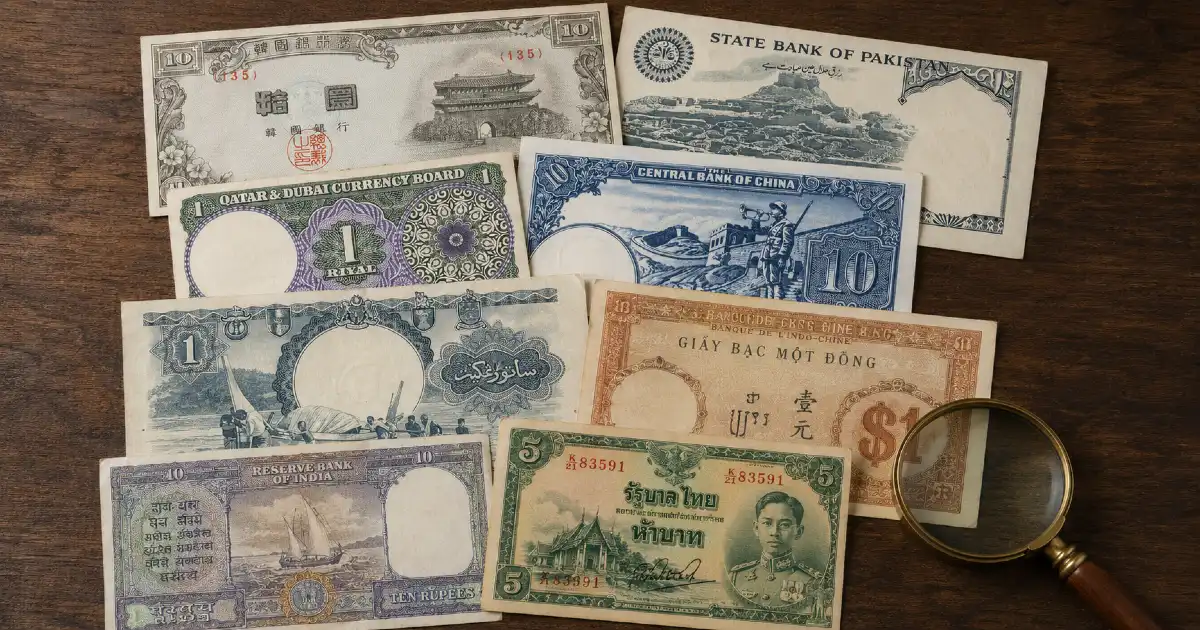
Banknote collecting is a rewarding hobby that combines history, culture, art, and the excitement of discovery. From centuries-old paper money issued by colonial governments to modern polymer banknotes packed with advanced security features, every note tells a unique story about the people, events, and economies that shaped its creation.
Whether you are interested in building a collection from your home country, exploring historical currencies from across Asia, or simply preserving interesting banknotes you encounter in everyday life, banknote collecting offers endless opportunities to learn and specialize. Unlike many other collectibles, banknotes are available across a wide range of budgets, suiting both beginners and advanced collectors.
For many enthusiasts, collecting banknotes is about more than acquiring rare or valuable pieces. It is an opportunity to explore history through original artifacts, appreciate intricate designs and engraving techniques, and connect with a global community of collectors who share similar interests. Some collectors focus on specific countries or time periods, while others pursue themes such as animals, architecture, famous personalities, or unusual serial numbers.
This guide explains how to start a banknote collection, understand the factors that influence desirability, avoid common beginner mistakes, and develop the knowledge needed to build a meaningful collection over time. Whether you are purchasing your first note or looking to refine your collecting goals, the principles covered here will help you enjoy banknote collecting with greater confidence and purpose.
Table of Contents
What Is Banknote Collecting?
Banknote collecting is the hobby of acquiring, studying, preserving, and organizing paper money issued by governments, central banks, monetary authorities, and other issuing entities. Collectors may focus on modern circulating banknotes, historical issues, commemorative notes, replacement notes, specimens, or specialized themes that reflect their personal interests.
Unlike many collectibles, banknotes combine multiple areas of interest within a single hobby. A banknote can be a historical document, a work of art, a technological achievement, and a record of a nation’s political and economic development. Every note provides insight into the period in which it was issued, often featuring important national figures, landmarks, cultural symbols, and security innovations.
The Difference Between Banknote Collecting and Numismatics
Banknote collecting is a branch of numismatics, the study and collection of money. Numismatics encompasses coins, banknotes, tokens, medals, and other forms of currency used throughout history.
While some numismatists collect both coins and banknotes, many enthusiasts choose to specialize. Banknote collectors are often drawn to the larger designs, detailed artwork, vibrant colours, and historical narratives that paper money can showcase. As a result, banknote collecting has developed into a highly specialized field with its own catalogues, grading standards, terminology, and collecting communities.
Why People Collect Banknotes
Collectors enter the hobby for many different reasons. Some are fascinated by history and enjoy owning original pieces from significant historical periods. Others appreciate the artistic aspects of banknote design, including portraits, engravings, architectural landmarks, wildlife, and cultural motifs.
Many collectors also enjoy the challenge of building a collection around a specific theme or objective. A collection may focus on a single country, a particular historical era, certain denominations, or unique varieties. The process of researching, locating, and acquiring new additions often becomes just as rewarding as the collection itself.
The Historical, Artistic and Cultural Appeal of Paper Money
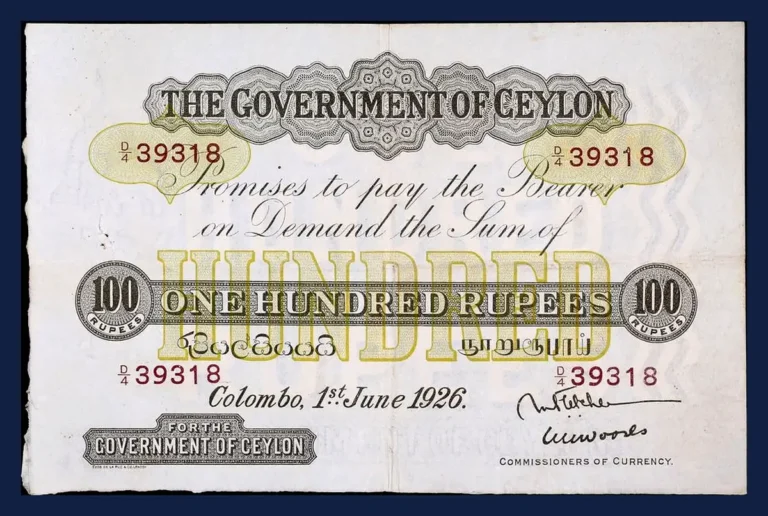
Banknotes serve as miniature ambassadors of a nation’s identity. They reflect political changes, economic development, cultural achievements, and technological progress. Through banknotes, collectors can trace the rise and fall of empires, the formation of modern states, periods of war and independence, and the evolution of monetary systems.
The artistic value of banknotes is equally significant. Many feature intricate engravings, elaborate patterns, symbolic imagery, and sophisticated security features that require exceptional craftsmanship to produce. For collectors, these elements transform ordinary currency into historical artefacts that preserve the stories, values, and aspirations of the societies that created them.
Why Start Collecting Banknotes?
People begin collecting banknotes for many different reasons. Some are attracted by the history preserved within old paper money, while others appreciate the artistic designs, cultural significance, or the challenge of building a specialized collection. If you are wondering how to start a banknote collection on a budget, the good news is that it requires very little upfront investment to begin experiencing the unique combination of education, enjoyment, and personal discovery that this hobby offers.
An Accessible Hobby for All Budgets
One of the greatest advantages of banknote collecting is its accessibility. While some rare banknotes command substantial prices, many attractive and historically interesting notes remain affordable for beginners.
Collectors can start with modern banknotes from circulation, purchase inexpensive world banknotes, or focus on a specific country or theme. This flexibility allows newcomers to gain experience and knowledge before deciding whether to pursue more advanced collecting goals.
The Educational Value of Collecting
Banknote collecting encourages continuous learning. Every banknote has a story to tell, whether it relates to a country’s political history, economic development, cultural heritage, or artistic traditions.
As collectors research their acquisitions, they often develop a deeper understanding of geography, history, economics, and international affairs. Over time, a collection becomes more than a group of banknotes—it becomes a personal archive of knowledge and discovery.
Building a Collection with Personal Meaning
Unlike hobbies that follow a single path, banknote collecting allows each collector to create something unique. Some people collect notes from countries they have visited, while others focus on themes such as wildlife, architecture, famous leaders, transportation, or significant historical events.
This freedom enables collectors to build collections that reflect their personal interests, experiences, and goals. As a result, even modest collections can have significant personal meaning.
The Enjoyment of Lifelong Learning
Banknote collecting is a hobby that evolves with experience. Beginners often start with broad interests before gradually developing more specialized collecting goals. As knowledge grows, collectors may explore new countries, historical periods, or collecting themes that were previously unfamiliar.
Because there is always something new to learn, discover, or research, many collectors remain active in the hobby for decades. The combination of history, research, collecting, and community engagement makes banknote collecting a rewarding pursuit that can provide lifelong enjoyment.
How to Start a Banknote Collection
The most practical way to begin is to start small, stay curious, and let your collection develop naturally alongside your knowledge. Rather than trying to acquire every interesting banknote you encounter, focus on notes that genuinely appeal to you — whether for historical, artistic, or personal reasons.
Choose a Collecting Focus
One of the first decisions every collector faces is determining what to collect. While it may be tempting to buy any attractive or unusual banknote, having a collecting focus provides structure and helps guide future purchases.
Your collecting focus can be as broad or as specialized as you wish. Some collectors concentrate on a single country, while others collect banknotes from a particular region, historical period, or theme. The most important consideration is choosing an area that genuinely interests you, as this will encourage continued learning and long-term engagement with the hobby.
Set a Realistic Budget
Banknote collecting can be enjoyed at almost any budget level. Establishing a budget early helps prevent impulse purchases and allows you to build your collection steadily over time.
When exploring how to start a banknote collection, many beginners start with affordable modern or circulated banknotes before expanding into more specialized areas. As your knowledge grows, you can decide whether to focus on acquiring a larger number of notes or pursuing fewer but more significant additions.
A realistic budget also encourages patience, which is one of the most valuable traits a collector can develop.
Learn Basic Banknote Terminology
Before making significant purchases, it is helpful to become familiar with common collecting terms. Understanding basic terminology will make it easier to communicate with dealers, participate in collector communities, and use reference resources effectively.
Terms relating to issuing authorities, denominations, varieties, condition, and security features frequently appear in catalogues and sales listings. Developing a working knowledge of these concepts will help you make more informed collecting decisions.
Purchase Your First Banknotes
The best way to learn about banknote collecting is to begin collecting. Start with notes that interest you rather than focusing exclusively on rarity or potential value.
Many collectors begin with modern circulating banknotes, affordable world banknotes, or notes connected to their own country or personal experiences. These early acquisitions provide an opportunity to learn about identification, research, organization, and collecting habits without requiring a significant financial commitment.
As your experience grows, your collecting goals will naturally become more refined, allowing you to build a collection that reflects both your interests and your developing expertise.
Developing a Collecting Focus
One of the most important decisions in banknote collecting is determining what you want your collection to represent. While it is common for beginners to purchase a variety of interesting banknotes, developing a collecting focus can provide greater direction, make research more rewarding, and help create a more meaningful collection over time.
A collecting focus does not have to be permanent. Many experienced collectors began with broad interests before gradually refining their goals as their knowledge expanded. The objective is not to limit your enjoyment of the hobby, but to give your collection a sense of purpose and coherence.
Why a Collecting Focus Matters
Without a collecting focus, it is easy to accumulate banknotes that have little connection to one another. While there is nothing wrong with collecting broadly, a focused collection often tells a clearer story and provides a stronger sense of achievement.
Having a collecting focus can also help guide purchasing decisions, encourage deeper research, and make it easier to identify gaps or future collecting goals. Rather than buying every note that catches your attention, you can concentrate on acquiring pieces that contribute to a larger collecting objective.
Start Broad, Then Specialize
Many successful collectors begin by exploring a wide range of banknotes before discovering the areas that interest them most. This approach allows beginners to gain experience and exposure to different countries, time periods, designs, and issuing authorities.
As your knowledge develops, you may naturally find yourself drawn toward particular aspects of paper money. Some collectors become fascinated by the monetary history of a specific country, while others develop a strong interest in certain eras, institutions, or design styles. Specialization often emerges naturally through continued learning rather than careful planning.
Choosing a Focus That Matches Your Interests
The most rewarding collections are usually built around genuine personal interest rather than perceived rarity or investment potential. A collecting focus should be something that motivates you to continue learning and researching over the long term.
Personal experiences, family history, travel, cultural interests, or academic interests can all provide inspiration. A collection built around topics you genuinely enjoy is far more likely to remain engaging and sustainable over time.
Let Your Collection Evolve Naturally
A collection is not a static project. As collectors gain experience, their interests often change and new opportunities emerge. Some collecting goals may become more specialized, while others may expand into entirely new areas.
It is important to remain flexible and allow your collection to evolve alongside your knowledge. The focus that excites you today may eventually lead to new discoveries and collecting directions that you had never previously considered. This process of exploration and refinement is one of the most enjoyable aspects of banknote collecting and helps transform a simple accumulation of banknotes into a collection with lasting meaning.
Understanding Condition and Quality
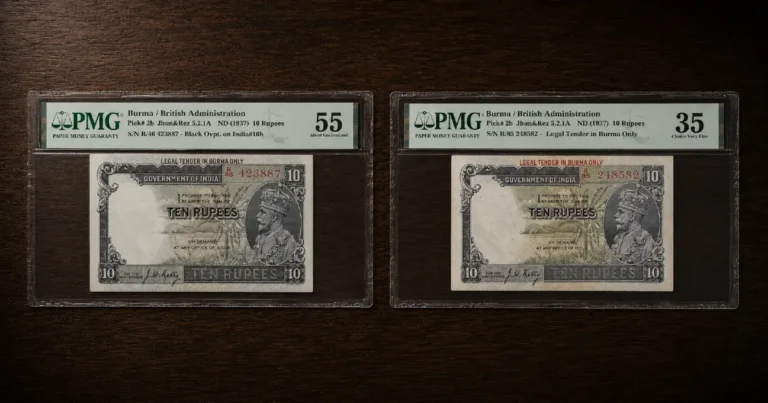
Condition is one of the most important factors in banknote collecting. Two examples of the same banknote can differ significantly in desirability depending on their state of preservation. As a result, collectors pay close attention to a note’s appearance, handling history, and overall quality when making collecting decisions.
For beginners, understanding condition does not require mastering complex grading systems. Instead, it begins with learning how collectors evaluate the visual and physical characteristics of a banknote and why those characteristics matter.
Why Condition Matters
Banknotes are inherently fragile objects. Unlike coins, which are typically struck on durable metal, paper money is vulnerable to folding, creasing, staining, tearing, writing, and environmental damage. Once damage occurs, it is often difficult or impossible to reverse.
Because of this, collectors generally prefer banknotes that remain as close as possible to their original issued condition. Notes that retain strong colours, crisp paper quality, and minimal signs of circulation are often more desirable than heavily worn examples.
Condition can also influence the educational and aesthetic value of a collection. Well-preserved banknotes often display design details, security features, and printing techniques more clearly, allowing collectors to better appreciate the craftsmanship involved in their production.
Basic Terms Used by Collectors
Collectors frequently use descriptive terms to communicate the condition of a banknote. These terms provide a general indication of how much wear a note has experienced and help create a common language within the hobby.
You may encounter descriptions such as uncirculated, extremely fine, very fine, fine, or good when reviewing dealer inventories, or reference materials. While these terms offer useful guidance, they should be viewed as general descriptions rather than precise measurements.
Developing a basic understanding of condition terminology can help beginners compare banknotes more effectively and make better-informed collecting decisions.
Learning More About Grading and Authentication
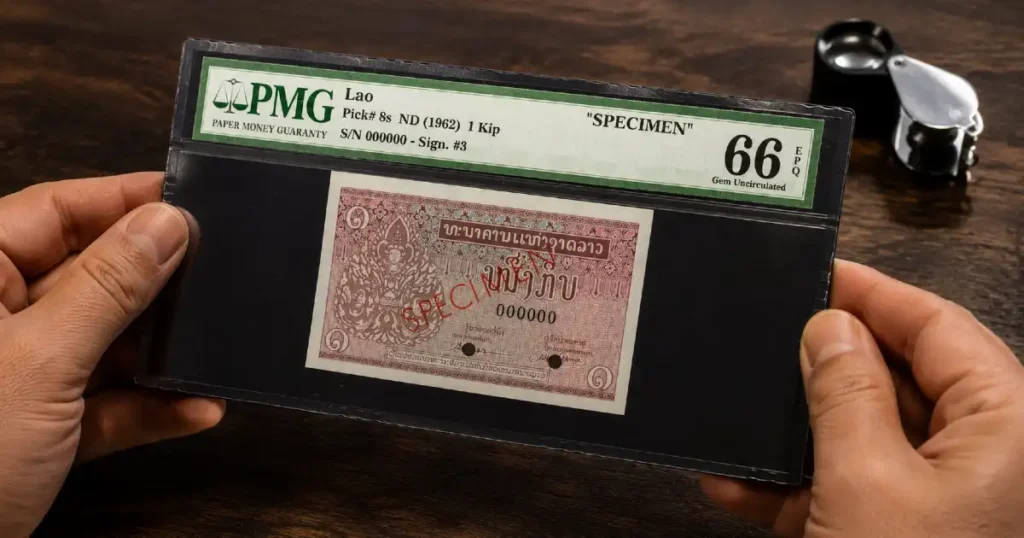
As your collecting experience grows, you may wish to learn more about professional grading and authentication services. These services evaluate a banknote’s condition and authenticity according to established standards and can provide additional confidence for collectors and buyers.
While grading is not essential for every collector or every banknote, understanding how condition is assessed becomes increasingly important as collections become more specialized or valuable. Two organizations dominate professional certification: Paper Money Guaranty (PMG) and PCGS Banknote, both of which encapsulate and grade notes according to internationally recognised standards.
For a detailed explanation of grading standards, authentication, certified banknotes, and when professional grading may be appropriate, see our comprehensive guide to banknote grading and authentication.
Building Knowledge as a Collector
One of the most rewarding aspects of banknote collecting is the opportunity to continuously learn and expand your understanding of paper money. While acquiring banknotes is an important part of the hobby, long-term success often depends on the knowledge and research that support collecting decisions.
Experienced collectors rarely rely on luck alone. Instead, they develop their expertise through study, observation, and engagement with the wider collecting community. Over time, this knowledge helps them identify interesting additions, avoid costly mistakes, and build collections with greater confidence and purpose.
Using Catalogues and Reference Resources
Reference materials are among the most valuable tools available to collectors looking to master the nuances of banknote collecting. Catalogues, books, online databases, and educational websites provide vital information about issuing authorities, denominations, design changes, and historical context.
Learning how to use reliable reference sources can help collectors verify information, identify banknotes accurately, and better understand the significance of the notes they own. As collections grow, reference resources often become just as important as the banknotes themselves.
Learning from Collector Communities
Banknote collecting is supported by a global community of enthusiasts, researchers, dealers, and specialists who share a passion for paper money. Engaging with these communities can accelerate learning and open collectors to areas of interest they might not have discovered independently.
The International Bank Note Society (IBNS) is one of the most established organisations for banknote collectors worldwide, offering access to publications, research, and a network of collectors across many countries.
Beyond formal organisations, collector clubs, online forums, social media groups, exhibitions, and numismatic events all provide valuable opportunities to exchange knowledge, discuss collecting challenges, and learn from the experiences of others. For many collectors, community engagement becomes one of the most rewarding aspects of the hobby.
Studying Historical Context
Every banknote was created within a specific historical, political, and economic environment. Understanding that context can transform a banknote from a simple collectible into a fascinating historical artifact.
Studying the events, institutions, and personalities associated with a banknote often reveals stories that are not immediately apparent from its design alone. This deeper understanding adds meaning to a collection and helps collectors appreciate the broader significance of the notes they acquire.
Keeping Up with Market Trends
While most collectors enter the hobby because of their interest in history, culture, or design, it is still useful to remain informed about developments within the collecting market. Newly published research, emerging collecting interests, and changes in availability can all influence collecting decisions.
Keeping up with market trends does not mean treating banknotes purely as investments. Rather, it helps collectors make informed choices, recognize opportunities, and better understand the wider collecting landscape.
By continuously learning and expanding their knowledge, collectors can make more confident decisions and derive greater enjoyment from every stage of their collecting journey.
Banknote Collecting Tips for Long-Term Success
Successful banknote collecting is rarely about acquiring the largest collection or owning the most expensive notes. Instead, long-term success is often determined by patience, discipline, knowledge, and a willingness to continue learning. While every collector develops their own approach over time, certain habits consistently help build stronger and more rewarding collections.
The following principles can help both beginners and experienced collectors make better decisions and enjoy the hobby for many years.
Research Before You Buy
One of the most valuable skills a collector can develop is the ability to research before making a purchase. Understanding a banknote’s historical background, issuing authority, series, and significance can help you make informed decisions and avoid unnecessary mistakes.
Research also helps collectors recognize opportunities that others may overlook. The more knowledge you develop, the easier it becomes to evaluate potential additions and determine whether they fit your collecting goals.
Focus on Quality Over Quantity
Many beginners feel pressure to acquire as many banknotes as possible. While building a large collection can be enjoyable, experienced collectors often discover that a smaller collection of carefully selected notes can be more satisfying than a large accumulation of unrelated pieces.
A focus on quality encourages thoughtful collecting and helps create a collection with greater coherence, meaning, and long-term appeal.
Keep Records of Your Collection
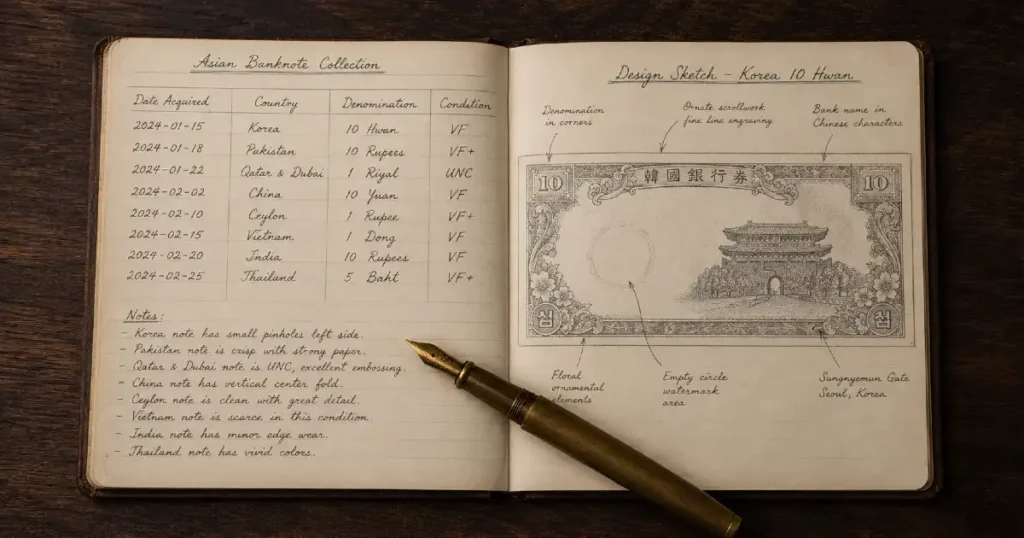
Maintaining accurate records is a valuable habit for collectors at every level. Recording information such as purchase dates, sources, prices paid, and relevant notes can make collection management much easier.
Good record-keeping also helps track collecting progress, identify gaps within a collection, and provide useful documentation for insurance, valuation, or future research purposes.
Develop Patience and Discipline
Patience is one of the most important qualities a collector can possess. Desirable banknotes may not always be available immediately, and rushing to complete a collection often leads to unnecessary purchases or overspending.
Collectors who remain patient are more likely to wait for opportunities that align with their goals and budget. Over time, this disciplined approach often produces stronger collections and more satisfying results.
Refine Your Collecting Goals Over Time
Collecting goals rarely remain unchanged. As knowledge grows and interests evolve, collectors often discover new areas that deserve greater attention or choose to narrow their focus to a specific subject.
Regularly reviewing your collecting objectives helps ensure that your collection continues to reflect your interests and priorities. A collection that evolves alongside your knowledge will often provide greater satisfaction than one built without a clear sense of direction.
By combining research, patience, discipline, and continuous learning, collectors can build collections that are not only enjoyable to own but also meaningful reflections of their personal interests and collecting journey.
Common Banknote Collecting Mistakes to Avoid
Every collector makes mistakes at some point. In fact, many of the most valuable lessons in banknote collecting come from experience. While occasional errors are part of the learning process, understanding the most common pitfalls can help beginners avoid unnecessary frustration, wasted money, and collecting regrets.
Fortunately, most collecting mistakes can be prevented through patience, research, and a clear understanding of your collecting goals.
Buying Without Sufficient Research
One of the most common mistakes among new newcomers to banknote collecting is purchasing banknotes without first learning about them. Attractive designs, interesting stories, or seemingly low prices can sometimes encourage impulse purchases that do not align with a collector’s objectives.
Before adding a banknote to your collection, take time to understand its background, significance, and how it fits within your collecting focus. Even a small amount of research can lead to better collecting decisions.
Collecting Without a Clear Focus
It is natural for beginners to purchase a variety of different banknotes while exploring the hobby. However, continually acquiring unrelated notes without any long-term direction can eventually make a collection feel disorganized and difficult to develop.
A collecting focus provides structure and helps guide future purchases. While your interests may evolve over time, having a general sense of direction can make collecting more rewarding and purposeful.
Overpaying for Common Notes
One of the steepest learning curves in banknote collecting is understanding that age alone does not determine desirability, and many historical banknotes remain relatively common. New collectors sometimes assume that old banknotes are automatically rare or valuable.
Paying inflated prices often occurs when collectors make purchases without comparing prices, consulting reference sources, or understanding the broader market. Taking time to evaluate a purchase can help avoid unnecessary spending and improve overall collecting results.
Neglecting Documentation
Many collectors underestimate the importance of maintaining records. Over time, it can become difficult to remember where a banknote was acquired, how much was paid, or why it was purchased.
Keeping simple records helps track collecting progress, manage budgets, and preserve valuable information about the collection. Good documentation also becomes increasingly useful as collections grow in size and complexity.
Expecting Quick Financial Returns
Although many banknotes may appreciate in value over time, treating banknote collecting solely as a short-term financial investment often leads to disappointment. Markets fluctuate, collecting trends change, and future demand can never be guaranteed.
The most successful collectors typically focus first on knowledge, enjoyment, and personal interest. Financial considerations may play a role, but they should not be the sole reason for building a collection.
By avoiding these common mistakes and maintaining a thoughtful approach, collectors can build stronger collections, make more informed decisions, and enjoy the hobby with greater confidence over the long term.
How a Collection Can Evolve Over Time
One of the most enjoyable aspects of banknote collecting is that no collection remains static forever. As collectors gain experience, their knowledge expands, interests mature, and collecting goals become more refined. What begins as a simple curiosity about paper money can gradually develop into a lifelong pursuit filled with research, discovery, and personal achievement.
Every collector follows a unique journey. Some remain broad generalists, while others become specialists in a particular country, historical period, issuing authority, or area of study. Neither approach is inherently better—the most rewarding collections are those that continue to reflect the collector’s interests and passions.
Moving from General Collecting to Specialization
As your journey in banknote collecting matures, you will naturally find yourself drawn toward particular aspects of paper money. Many collectors begin by acquiring a wide variety of banknotes in order to learn about different countries, designs, and monetary systems.
Over time, collectors often discover subjects that capture their attention more deeply than others. As a result, their collecting activities may gradually become more focused and specialized. Specialization allows collectors to develop expertise, conduct deeper research, and build collections with greater historical or thematic significance.
Building a Collection Around a Personal Interest
As collecting experience grows, many enthusiasts begin to pursue projects that reflect their own interests, experiences, or areas of study. A collection may develop around a favourite country, a historical period, a cultural theme, or a specific type of banknote.
Collections built around genuine personal interests often become the most meaningful and rewarding. They encourage ongoing learning and help transform a group of banknotes into a collection with a clear story and purpose.
Expanding into New Areas of Interest
Collecting interests rarely remain fixed. A collector who begins with modern circulating notes may later become interested in historical issues, emergency currencies, colonial banknotes, or other specialized areas.
This natural expansion is part of the collecting journey. Exploring new areas can introduce fresh challenges, broaden knowledge, and provide opportunities to discover aspects of paper money that were previously unfamiliar.
Sharing and Exhibiting Your Collection
As collectors gain confidence and expertise, many choose to share their collections with others. This may involve participating in collector communities, writing articles, presenting research, exhibiting banknotes, or simply discussing the hobby with fellow enthusiasts.
Sharing knowledge not only contributes to the collecting community but also encourages collectors to study their collections more carefully and develop a deeper understanding of the material they own.
Ultimately, banknote collecting is not simply about acquiring banknotes. It is an ongoing journey of learning, discovery, and personal growth. As your knowledge and interests evolve, your collection will evolve with them, creating a lasting record of both the banknotes you have collected and the experiences you have gained along the way.
Frequently Asked Questions About Banknote Collecting
Final Thoughts on Banknote Collecting
Banknote collecting is far more than the accumulation of paper money. It is a hobby that combines history, culture, art, research, and personal discovery into a rewarding lifelong pursuit. Whether your interest lies in modern banknotes, historical issues, or the stories behind the currencies of different nations, every collection offers an opportunity to learn something new.
The most successful collectors are not necessarily those with the largest collections or the rarest banknotes. Rather, they are individuals who remain curious, continue learning, and collect with purpose. By developing sound collecting habits, conducting careful research, and focusing on areas that genuinely interest you, it is possible to build a collection that is both enjoyable and meaningful.
Remember that every experienced collector started with a single banknote. Your collecting interests may evolve over time, your knowledge will grow, and your collection will develop in ways you may not yet anticipate. The journey itself is often as rewarding as the collection you ultimately build.
Whether you are purchasing your first banknote or refining an existing collection, the principles outlined in this guide provide a strong foundation for long-term success. Ultimately, understanding how to start a banknote collection is just the first step in a much larger, incredibly rewarding journey of exploration, education, and enjoyment. Take your time, enjoy the learning process, and most importantly, collect what interests you.