This definitive coin identification guide provides collectors with a systematic framework for deciphering unknown numismatic pieces, uncovering their historical origins, and accurately determining their issuing authorities. Encountering an unlisted or heavily worn specimen with unfamiliar scripts, faded legends, or obscure mintmarks can be an intimidating challenge for any collector. However, by methodically breaking down a coin’s physical anatomy—such as its metal composition, precise weight, edge configuration, and iconographic imagery—you can accurately pinpoint its exact place in global history. Developing a disciplined approach to reading historical symbols and inscriptions is a core skill that transforms random mystery tokens into well-documented, highly valued assets.
The Basics of Coin Identification for Collectors
Understanding the basics of coin identification is crucial for both novice and seasoned collectors. The process begins with examining the coin’s physical attributes, including its diameter, thickness, weight, and edge design. These characteristics can help distinguish between coins of similar appearance but different origins. The metal composition, determined by visual inspection or chemical testing, also provides valuable clues about the coin’s authenticity and era. For instance, ancient coins might be made of gold, silver, or bronze, while modern ones could include nickel or copper alloys. The coin’s patina, a natural film that forms on its surface over time, can further indicate its age and historical context.
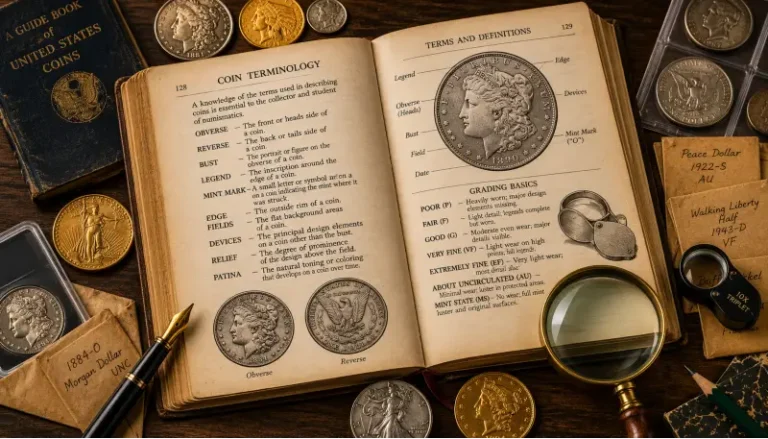
In addition to physical traits, the visual elements on a coin play a significant role in identification. The obverse (front) and reverse (back) sides of the coin often feature portraits, symbols, inscriptions, and dates that convey information about the issuing authority, denomination, and historical significance. Mint marks, usually small letters or symbols, indicate the specific mint where the coin was produced. Understanding these elements requires familiarity with numismatic terminology and historical knowledge, as they can vary significantly across different cultures and periods. Mastering these basics helps collectors accurately classify and value their coins, enriching their overall collecting experience.
Examining the Obverse and Reverse of Coins
When diving into the world of coin identification, understanding the elements present on both the obverse (front) and reverse (back) sides of a coin is pivotal. Each of these sides houses distinctive features that hold historical and cultural significance, contributing to the coin’s identity and value. Recognizing these elements can enhance your numismatic expertise and appreciation.
The obverse side of a coin, often regarded as the “heads” side, typically features a portrait or emblem. This might be a depiction of a prominent historical figure, a national symbol, or a significant event. The obverse often includes inscriptions such as the name of the issuing country, the denomination, or an iconic motto. The design elements, such as the style of the portrait and the accompanying text or inscriptions, can also help pinpoint the specific time frame within a ruler’s reign and even differentiate between various issues of the same coin.
In contrast, the reverse side, commonly referred to as the “tails” side, usually showcases designs that complement or contrast with the obverse imagery. This may include national symbols, legends, or intricate patterns. The reverse can also carry vital inscriptions, such as the year of minting and additional denomination markings. Collectors should note that variations in reverse designs can often hint at different mint locations or special editions. By carefully examining both sides, collectors can gain a comprehensive understanding of the coin’s origin, cultural context, and historical background.
Analyzing Coin Design and Symbols
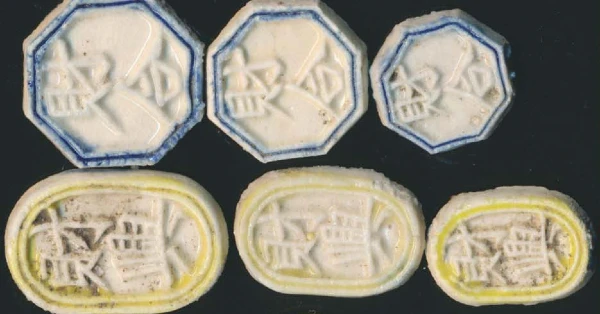
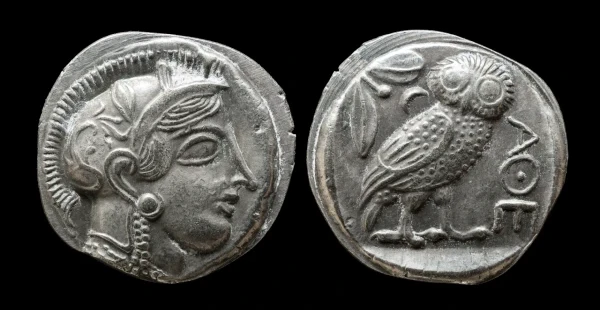
Analyzing the design and symbols on a coin is a key aspect of numismatics, as these elements often encapsulate the cultural, political, and historical context of the era in which the coin was minted and may also indicate their place of origin. The design can include portraits, animals, plants, buildings, and abstract motifs, each carrying specific meanings and symbolism. For instance, ancient Greek coins often featured images of gods, goddesses, and mythical creatures, reflecting the religious beliefs and myths of the time. Similarly, coins from the Roman Empire often feature portraits of emperors along with Latin inscriptions, while Chinese coins frequently bear inscriptions in Chinese characters or dragons.
Other distinctive features influenced by cultural, religious, and economic contexts can also help identify and classify coins accurately. For example, Chinese cash coins, with their distinctive square holes, were used for centuries. In contrast, ancient Indian coins, often depict deities, animals, and Sanskrit inscriptions. The coins from Islamic empires in Asia, such as the Mughal Empire, typically include intricate Arabic calligraphy. By studying these elements, numismatists can identify the coin’s place of origin and the historical period it belongs to.
Deciphering Coin Denominations
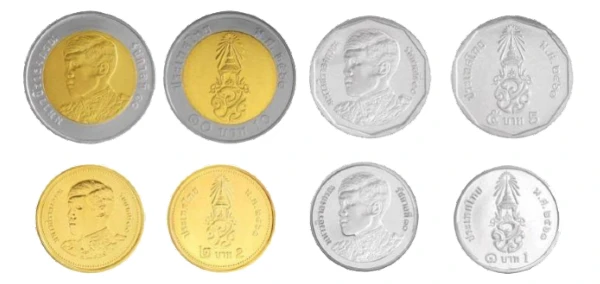
Deciphering the denomination of a coin is a fundamental aspect of numismatics, as it reveals the coin’s monetary value within its issuing system. Denominations are usually indicated through numeric values, written words, or specific symbols on the coin’s surface. For example, the denomination may be displayed as a number (e.g., 1, 5, 10) accompanied by the currency unit or sub-units (e.g., Rupee, Anna, Dollar, Cent, Baht, Satang). In some cases, especially on ancient coins, the denomination might be represented by specific symbols or abbreviations that require a more in-depth understanding of the monetary system and linguistic nuances of the period. Recognizing these indicators is crucial for accurately identifying the coin and understanding its role within the economy at the time.
Reading the Date on Coins
Reading the date often provides the most straightforward clue about when the coin was minted. The date is typically inscribed on either the obverse or reverse side, depending on the coin’s design and the practices of the issuing authority. However, interpreting the date isn’t always as simple as it seems. Some coins, especially those from Asian countries, may use non-Gregorian calendars. For example, Thai coins often use the Buddhist Era (BE), which is 543 years ahead of the Gregorian calendar, while Japanese coins typically use the era name corresponding to the reign of the current emperor. Recognizing and converting these different dating systems is essential for accurately identifying the coin’s age. Moreover, variations in the date, such as double-dated coins or coins with minting errors like overdates, can also add to a coin’s rarity and desirability.
Identifying Mint Marks on Coins
A mint mark is typically a small letter or symbol stamped on a coin to indicate the mint where it was produced. These marks can be found on various parts of the coin, often near the date, on the obverse, or the reverse side. Mint marks are essential because they can significantly influence a coin’s rarity and value. For example, a coin produced at a mint with a low production run might be more valuable than one from a mint that produced millions of the same coin. This is especially true in cases where a particular mint was operational for a limited time or where historical events impacted production.
Understanding Coin Edges and Rims
Understanding the edges and rims of a coin can provide valuable information about the coin’s authenticity, condition, and even its intended use. The edge of a coin, also known as the “third side,” can be plain, reeded (ribbed), lettered, or decorated with various patterns. These edge designs often serve practical purposes, such as deterring counterfeiting and making the coin more recognizable by touch. For example, reeded edges were historically used to prevent coin clipping, a practice where individuals would shave off small amounts of precious metal from the coin’s edge. In modern times, edge designs can also help visually impaired individuals differentiate between coins.
The rim of a coin, which is the raised border encircling the edge, serves as a protective barrier for the coin’s design elements. It helps prevent the coin’s surface from wearing down quickly, preserving its details and inscriptions. The presence of a well-defined rim is often a sign of a well-struck coin, indicating quality and precision in the minting process. Additionally, the rim can sometimes feature inscriptions or additional design elements that add to the coin’s overall aesthetic and historical significance. Understanding the nuances of coin edges and rims can also aid in identifying mint errors or variations, which can increase a coin’s rarity and value.
Measuring Coin Size and Weight
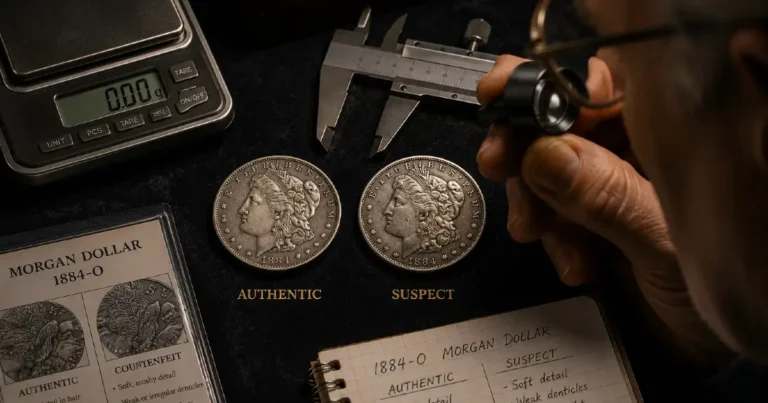
The diameter, thickness, and weight of a coin provide valuable information about its origin, authenticity, and potential value. Different mints and countries often have specific standards for these physical attributes, making them key indicators when verifying a coin’s legitimacy. For example, a deviation in weight can suggest a counterfeit or a coin made from a different material than originally intended. Similarly, variations in diameter or thickness can indicate post-mint alterations or even entirely fake coins. Collectors and numismatists use precise measuring tools, such as calipers for diameter and micrometers for thickness, to ensure accuracy. For weight, a highly sensitive digital scale is typically used, as even minute discrepancies can be telling.
Checking Metal Composition for Coin Authentication
The metal composition can vary widely depending on the coin’s intended use, the issuing authority, and the historical period in which it was minted. For example, older coins might be made of precious metals like gold or silver, while modern coins are more commonly composed of base metals such as copper, nickel, or zinc. By identifying the metal content, collectors can assess the intrinsic value of a coin, especially if it contains precious metals. This can be particularly important in volatile markets, where the value of the metal itself can influence the coin’s overall worth.
Various methods are used to determine a coin’s metal composition, ranging from simple visual inspection to more sophisticated techniques like X-ray fluorescence (XRF) analysis. Visual inspection involves looking for specific colorations, weight differences, or surface characteristics that indicate the metal type. For instance, silver coins often develop a natural patina or tarnish, while copper coins may exhibit a reddish hue. Understanding the metal composition also helps in identifying counterfeits, as forgers may use cheaper metals to replicate more valuable coins. Metal analysis plays a critical role in authentication and is often decisive when examining suspected forgeries, as explained in our detailed guide on counterfeit coin detection.
Understanding Coin Finishes and Surface Types
Coin finishes refer to the surface texture and appearance created during the minting process, which can significantly influence a coin’s overall aesthetic and appeal. Common types of finishes include proof, cameo, matte, burnished, and regular, each serving different purposes and adding unique characteristics to the coin. These finishes are achieved through various minting techniques. Proof coins, for example, are struck multiple times with polished dies, resulting in a mirror-like surface with sharp, detailed features, while cameo proofs have a frosted design that contrasts with the mirror-like fields. Recognizing these finishes helps in identifying special coin issues, distinguishing between different production methods, and assessing their condition, rarity, and potential market value.
Identifying Coin Types and Varieties
Coin types refer to a broad category defined by specific design features, such as the portrait of a ruler, national symbols, or inscriptions. These design elements often signify a particular era, political regime, or cultural shift, making them valuable markers of history. While, coin varieties typically refer to variations within a specific coin issue, which can result from changes in dies, minting errors, or intentional modifications. Varieties can include alterations in date placement, mint marks, die errors like doubled dies, or variations in design details. These nuances, while often minute, can significantly impact a coin’s rarity and value.
Conclusion
Mastering the art of coin identification requires a comprehensive understanding of the physical, visual, and historical elements that define each coin’s unique characteristics. From examining the obverse and reverse to analyzing the design and symbols, each step in the identification process contributes to a fuller appreciation of a coin’s historical and cultural significance. Identifying the denomination, reading the date, and recognizing the mint mark all provide crucial information about a coin’s origin and authenticity. Similarly, understanding coin edges, rims, metal composition, and finishes adds layers of detail that enhance a collector’s ability to assess a coin’s value and rarity. By combining these techniques with knowledge of coin types and varieties, collectors can develop a well-rounded expertise that allows them to build and maintain a valuable and historically rich collection.
Ultimately, the art of coin identification is not just about determining a coin’s physical attributes but also about connecting with the broader narrative of history that each coin represents. Each coin tells a story, reflecting the economic, political, and cultural contexts of its time. As collectors delve deeper into these aspects, they not only gain insights into the coins themselves but also contribute to the preservation and appreciation of numismatic heritage. By continually refining their identification skills and staying informed about numismatic developments, collectors can ensure that their contributions to the field are both meaningful and enduring.
Frequently Asked Questions About Coin Identification
What is the easiest way to identify a coin?
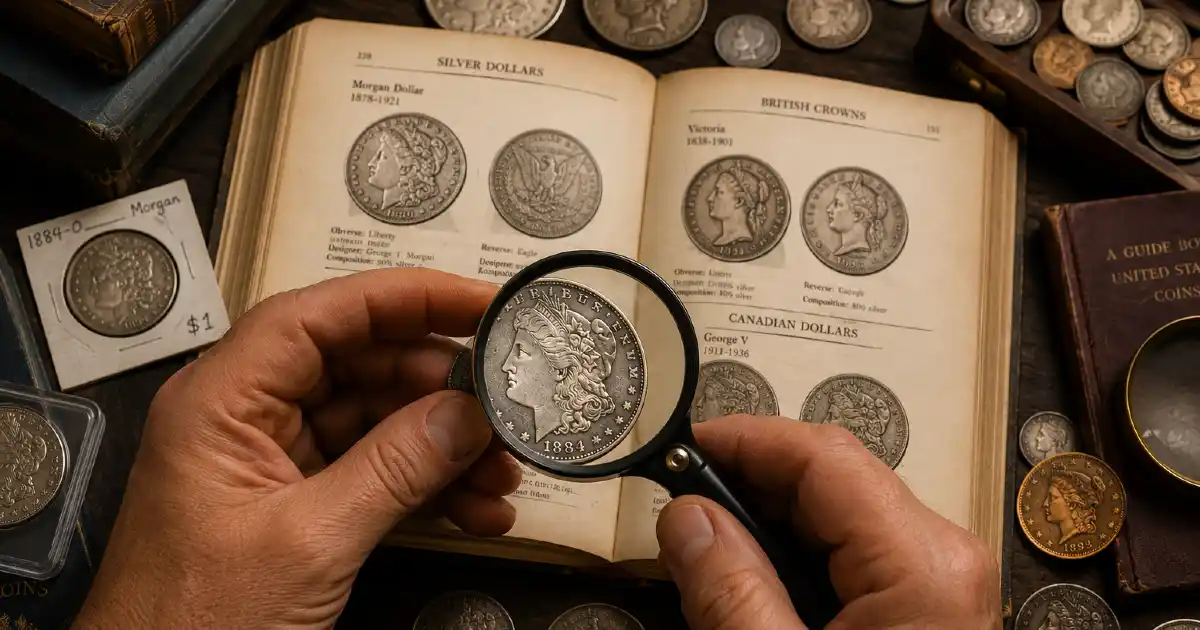
The easiest way to identify a coin is by examining its obverse and reverse designs, reading the date and denomination, and checking mint marks against reliable numismatic references.
Why is coin identification important for collectors?
Coin identification is important because it helps collectors verify authenticity, determine value, avoid counterfeits, and correctly classify coins within their historical context.
Can coin size and weight help identify authenticity?
Yes, comparing a coin’s size and weight with official mint standards is one of the most reliable methods for detecting counterfeits or altered coins.
How do coin varieties affect value?
Coin varieties, such as die differences or mint mark variations, can significantly affect value due to rarity, collector demand, and historical significance.
Do I need special tools to identify coins accurately?
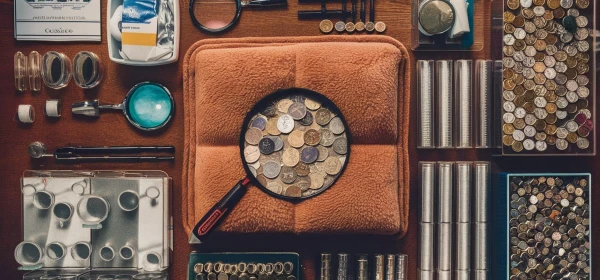
Basic coin identification can be done with visual inspection and reference guides, but tools like magnification, digital scales, and calipers improve accuracy and confidence.